
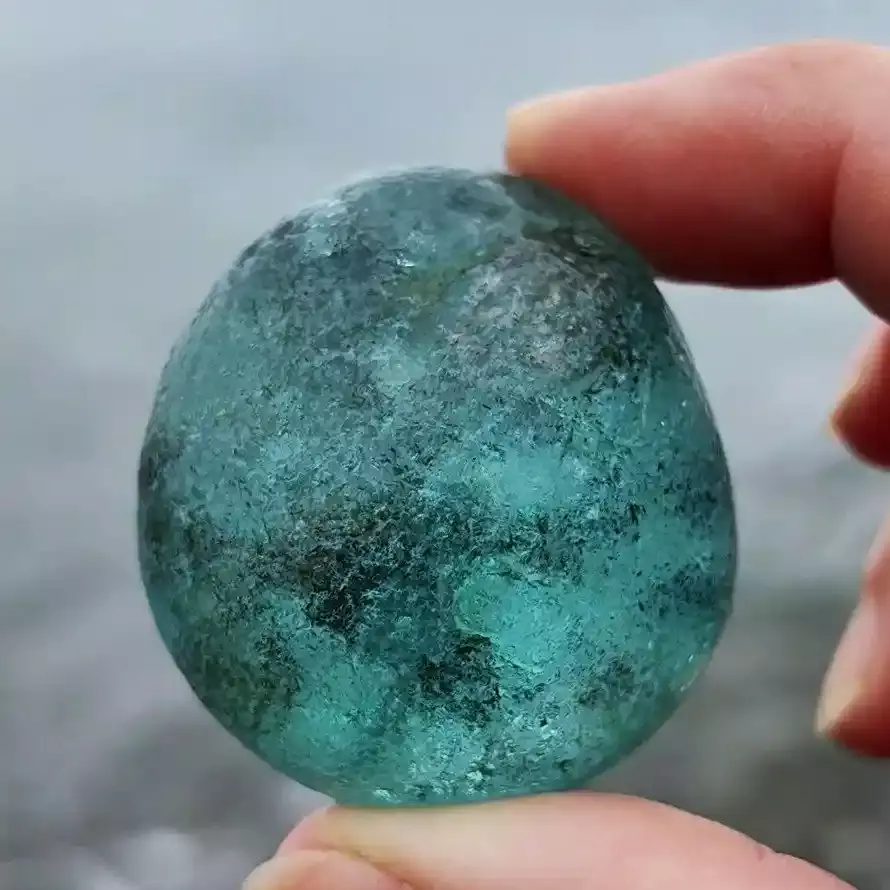
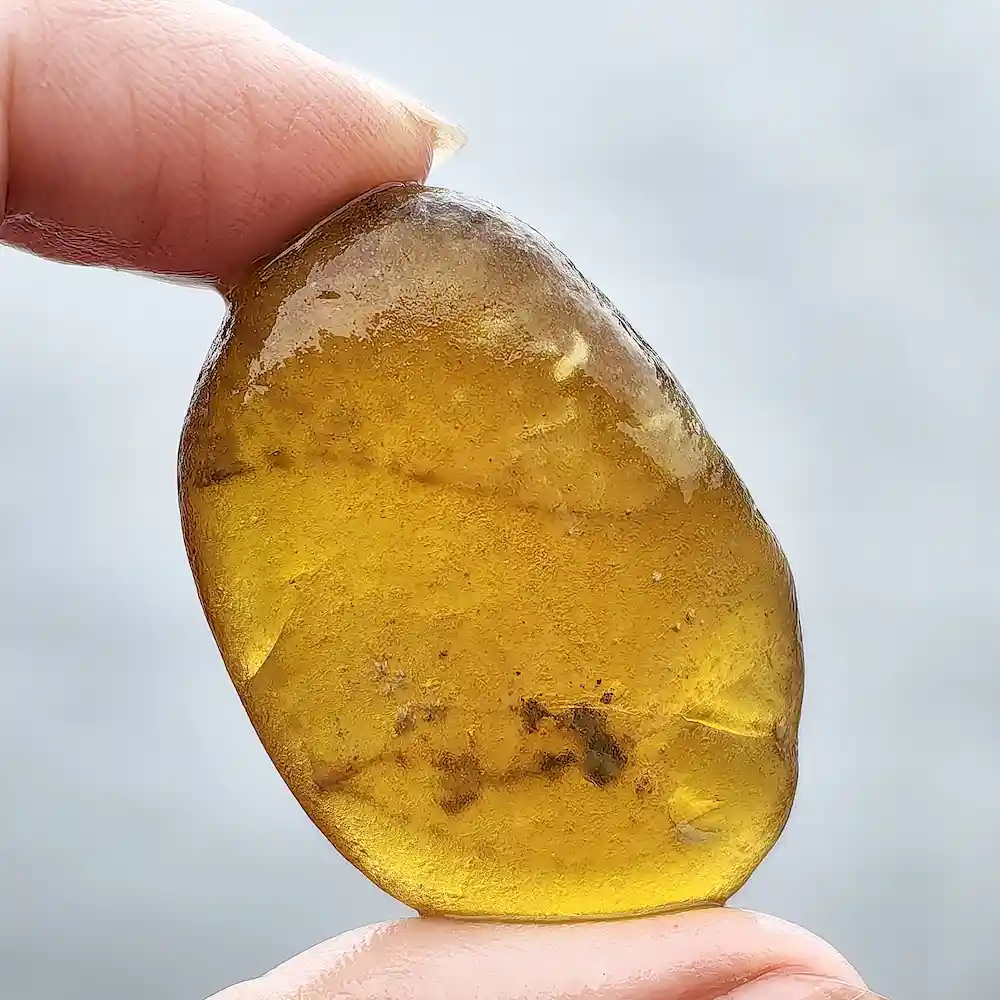
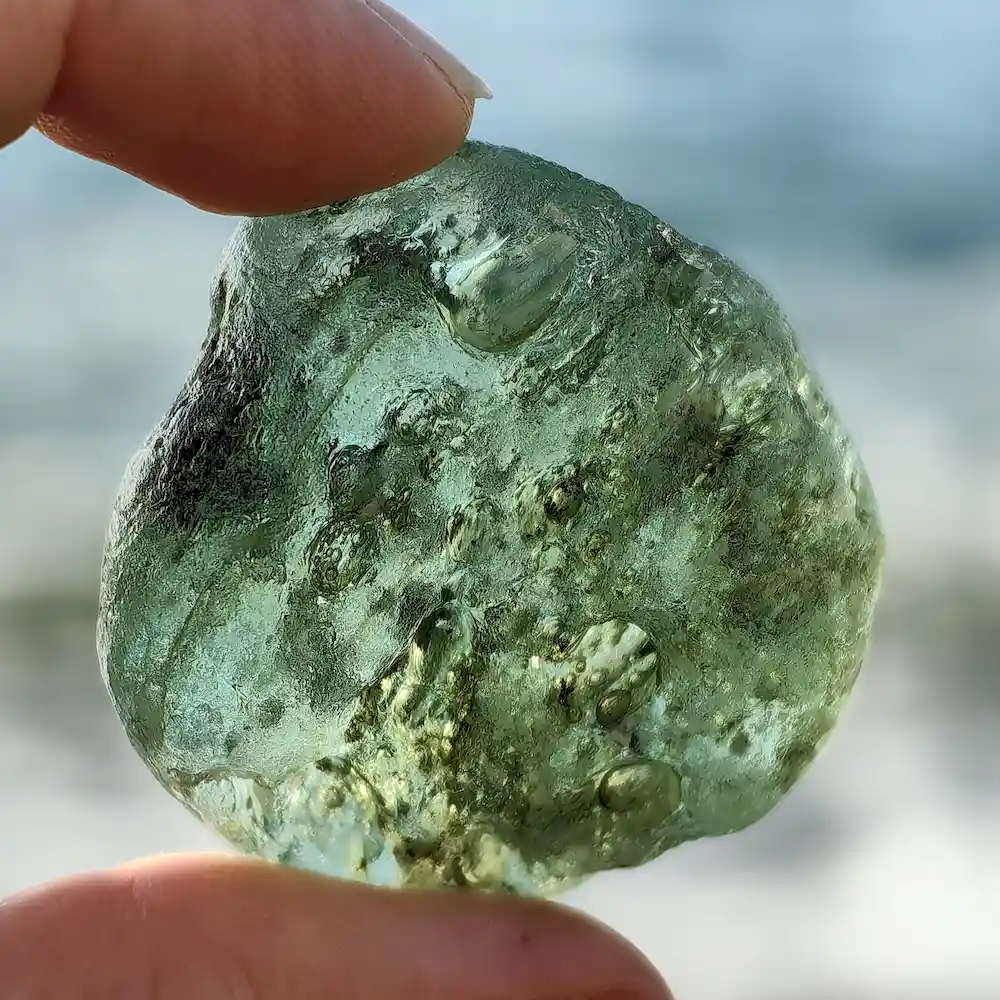
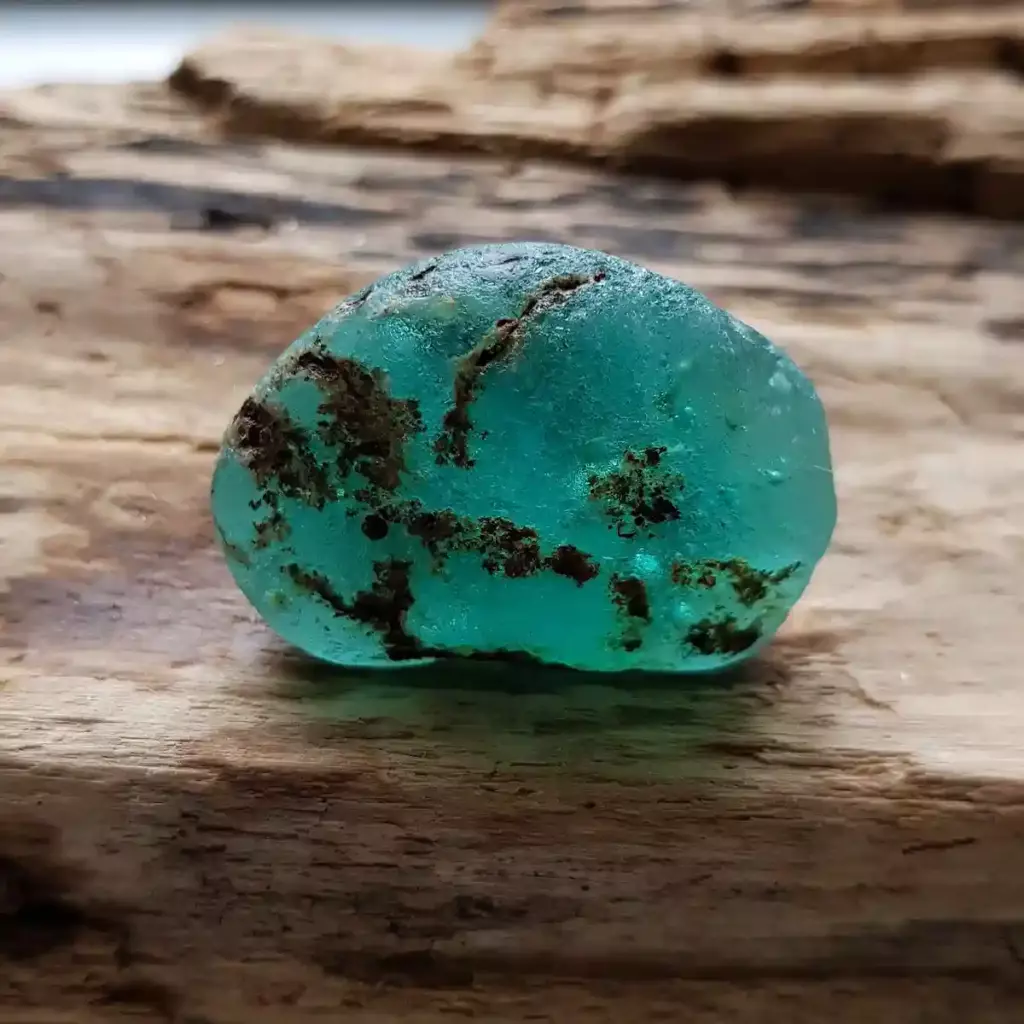
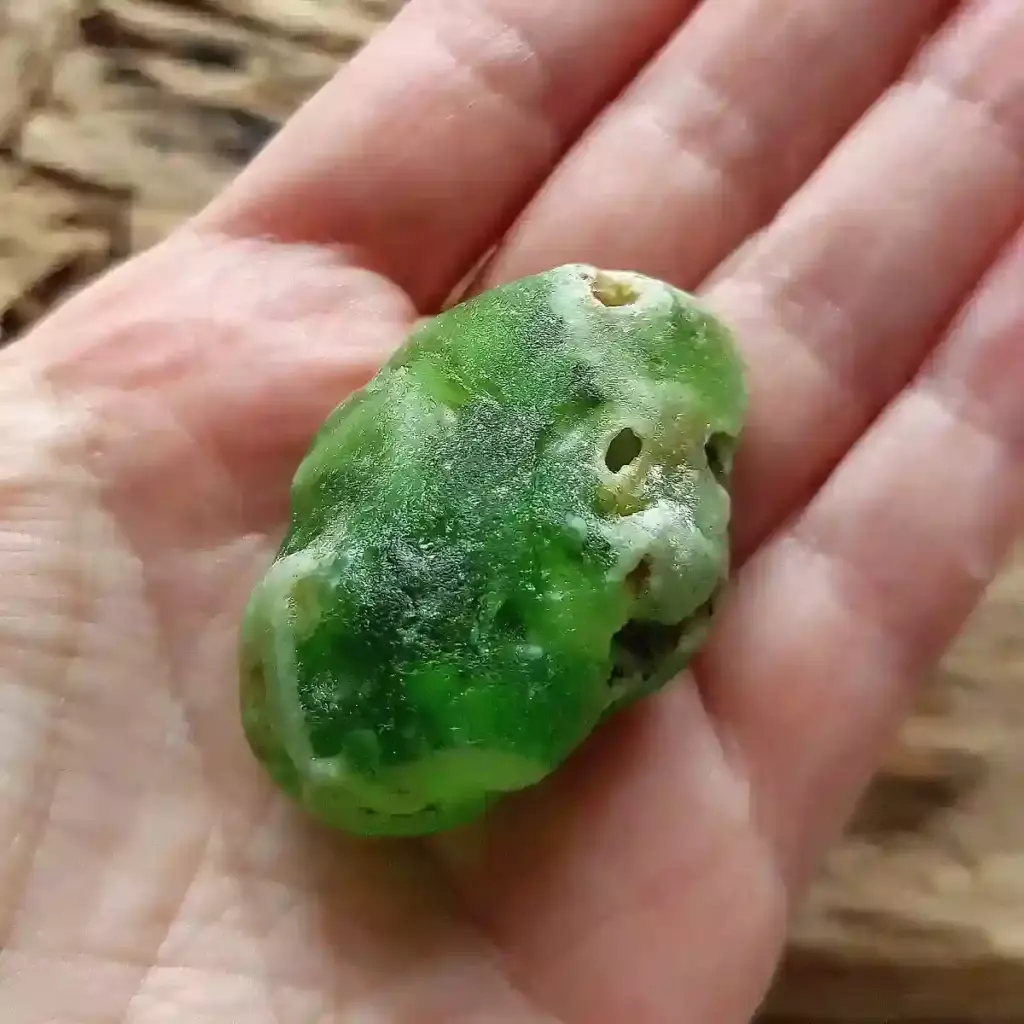
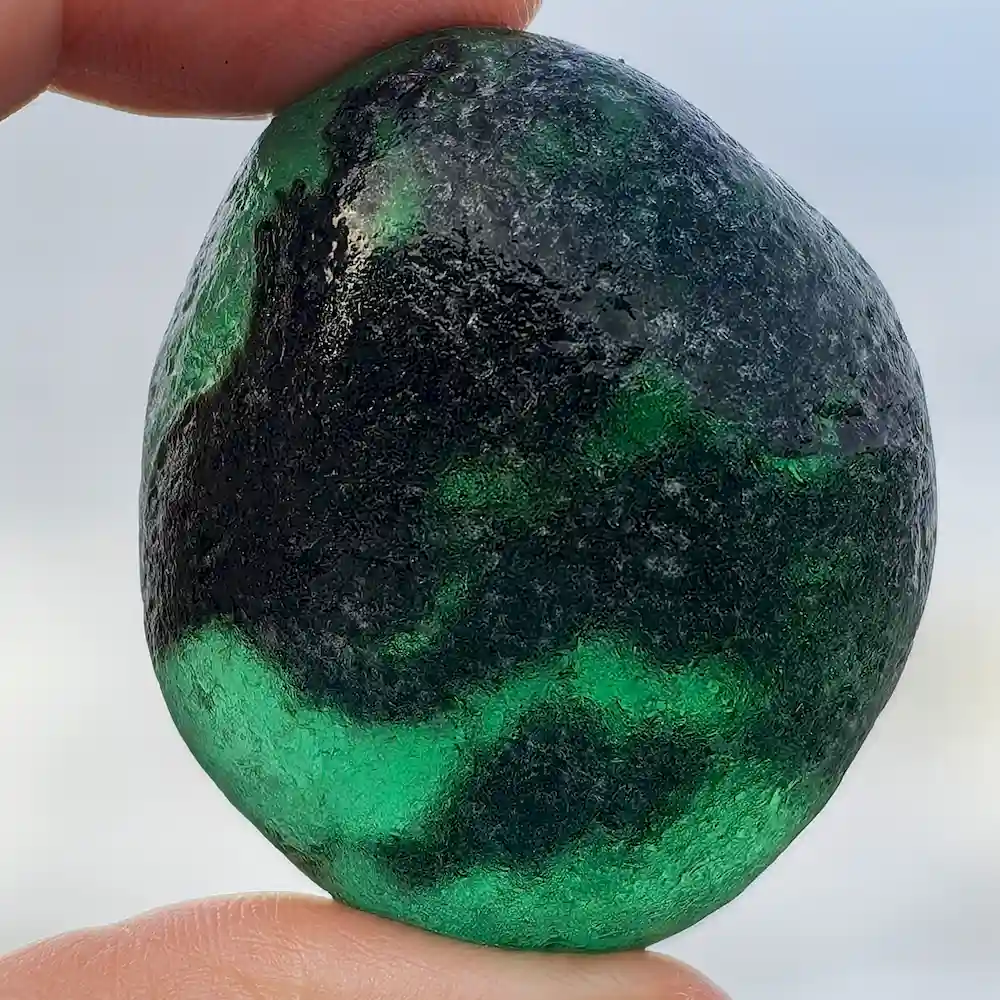
Among the smooth sea glass pieces scattered along the shore, you can sometimes stumble upon something completely unusual and captivating. Distorted, heavy, twisted into asymmetric profiles, and full of strange textures or trapped carbon bubbles – beachcombers call these unique finds bonfire glass, or simply melts.
Most of these chunks have a wild historical backstory. Decades ago along the rugged coastlines of Ussuri Bay, it was common practice to manage municipal waste by burning it in massive, coastal open-air fires right by the Sea of Japan. Over the years, severe Pacific storms completely eroded these historic shoreline deposits, washing the melted glass ruins directly into the freezing ocean currents.
The moving water finished what the industrial fire started. Today, with modern environmental regulations and advanced waste management, these coastal fires are gone forever. This means every single genuine melt you pick up from Vladivostok’s famous Glass Beach is a finite piece of mid-century history – a one-of-a-kind treasure that will never be naturally created again.
The Magic of Metamorphosis: Russian Bonfire Glass.
If you ever hold a piece of Russian bonfire sea glass in your hand, you will immediately notice how completely distinct it feels from standard ocean fragments. Its structural weight and uneven contours tell a physical story of an intense, decades-long battle between industrial fire and the raw power of the Pacific Ocean.
How Does Fire Change the Anatomy of Glass?
These unique pieces originated from a massive coastal deposit that burned and smoldered continuously for decades along the shoreline of Ussuri Bay. Under the fierce heat of the open-air flames, the glass became soft, fluid, and highly pliable. In this malleable condition, the fire permanently trapped history inside the structural framework of the material.
The heat locked in ash, carbon flecks, tiny air bubbles, and sometimes even rare “enhydro” pockets – enclosed internal voids containing a tiny, movable drop of water caught during rapid cooling when the red-hot material was swept into the freezing winter currents of the Sea of Japan.
A Fused Cross-Section of Post-War Daily Life
The extreme heat literally fused different industrial materials together into solid, single chunks. Within one individual specimen, you can discover vibrant, multi-colored layers of vintage Soviet bottle glass, fragments of old household ceramics, industrial slag glass, and bits of deeply oxidized metal. When you hold it, you are holding a frozen, multi-dimensional cross-section of daily life from a bygone era.
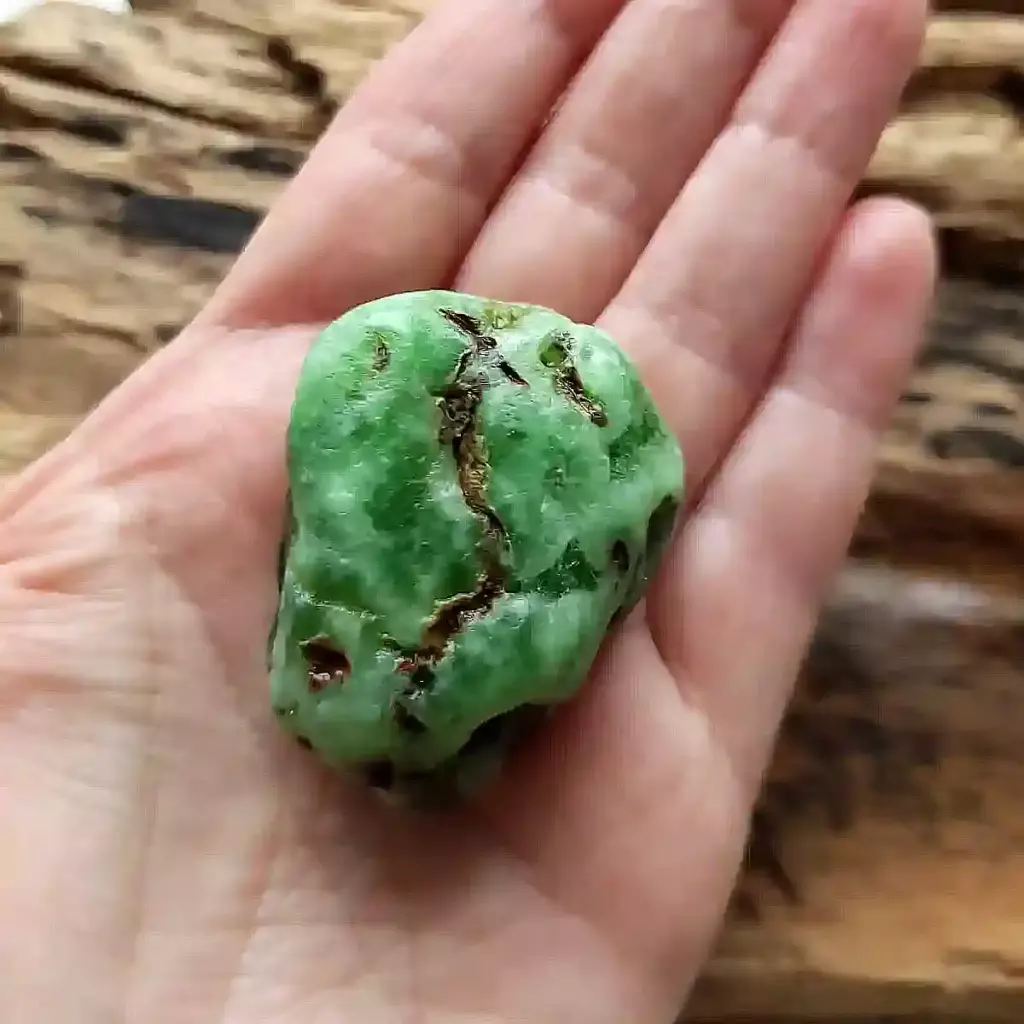
Impressive Mass and Raw, Asymmetrical Forms
These historic bonfire glass chunks are globally renowned among beachcombers for their substantial mass and heavy structural weight. The coastal flames warped the original bottles and jars into organic, abstract profiles that stubbornly defy symmetry. Because the volcanic sand and waves of Glass Beach only smoothed the outer edges while preserving the chaotic internal cracks, these chunks feel exceptionally satisfying to hold in the palm of your hand.

The Rare, Frosty Finish: How the Northern Elements Reshape Melts
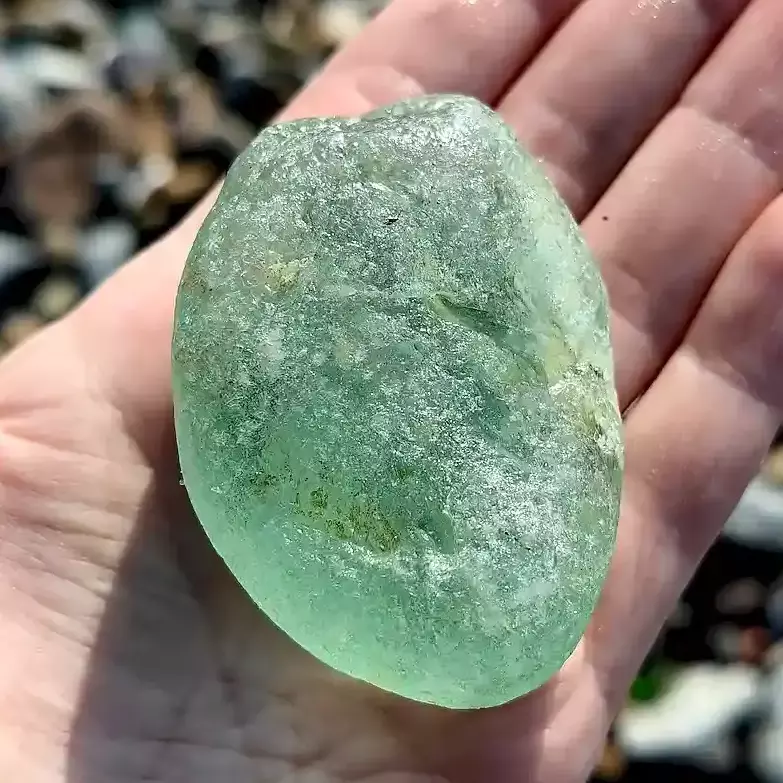
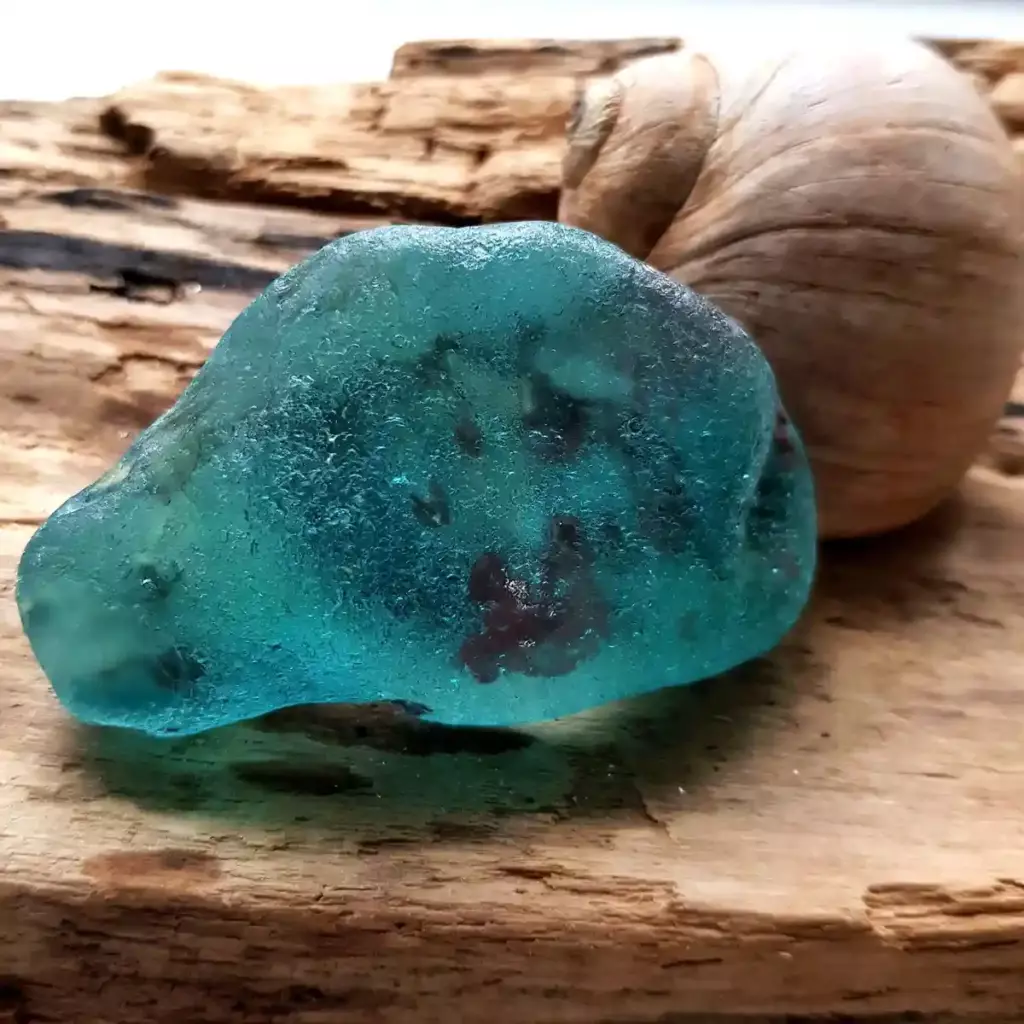
While bonfire glass found in calmer coastal regions often retains sharp edges, uneven weathering, or a semi-glossy texture, the high-energy environment of Ussuri Bay creates a completely different finish. Driven by the relentless waves of the Sea of Japan, the coarse volcanic sand and heavy surf act as a powerful lapidary tumbler.
🎬 Watch the hunt live: Explore our real-time beachcombing footage and raw coastal discoveries directly in our YouTube Playlist: Hunting for Rare “Bonfire” Sea Glass Melts.
Over decades, this intense abrasion grinds down even the most complex, melted chunks into smooth, hydrodynamic forms. Ultimately, the harsh northern elements reshape these massive melts into uniquely tactile, velvety sculptures. (To understand the exact physics behind how waves achieve this deep, uniformly frosted matte finish, read our comprehensive guide to The Science of Surf-Tumbled Sea Glass).
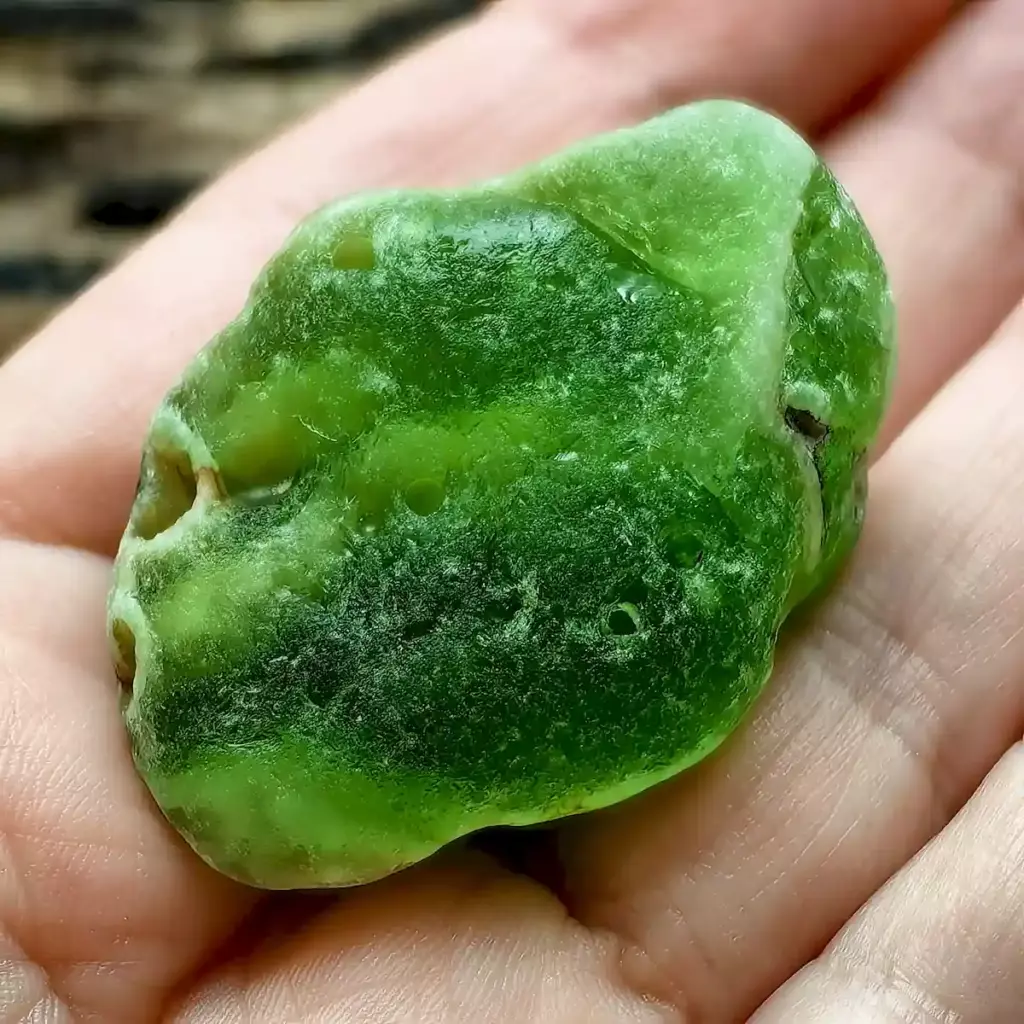
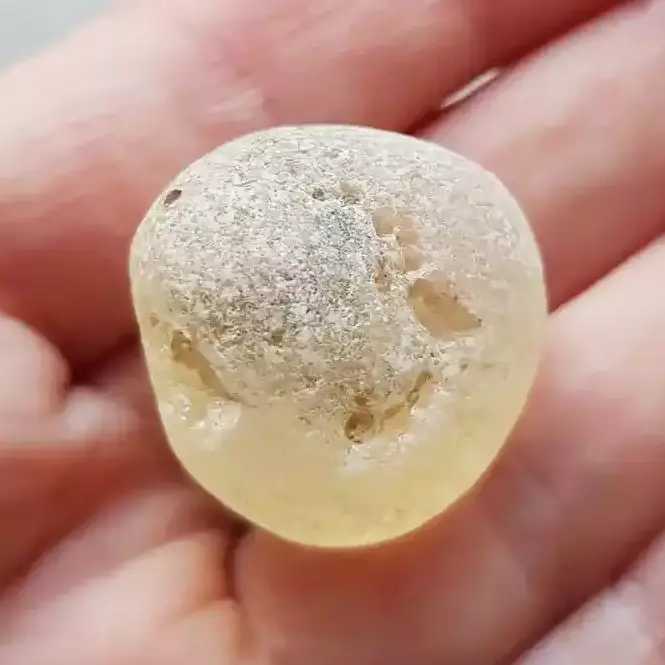
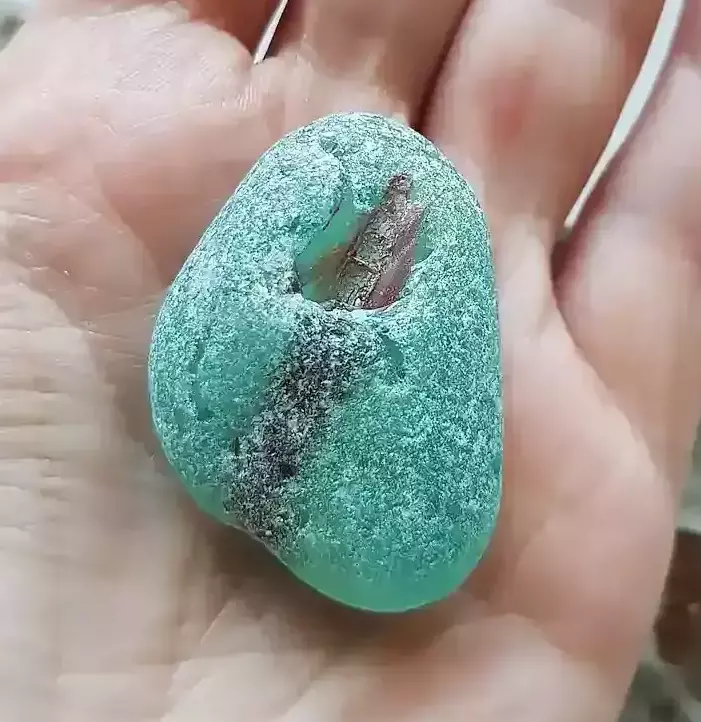
That long, dramatic journey is exactly why authentic bonfire glass holds such a profound value for collectors. A mundane household bottle or vintage industrial jar, subjected to intense coastal flames and decades of violent Pacific tumbling, returns to the shore completely transformed. It is no longer refuse. It enters a collection as a rare, historical artifact carrying the living memory of both fire and the Sea of Japan.
Holding one of these heavy, velvety melts cased in local velvet frost is a direct way to preserve an irreplaceable, raw piece of Vladivostok’s vanishing Glass Beach history. Because these old shoreline deposits are rapidly depleting, every genuine melt represents a finite treasure. To claim your own verified piece of this coastal legacy before the tides sweep them away forever, feel free to explore our current discoveries below.
About the Author
Tatiana Japanseaglass is the founder of Japan Sea Glass with over 15 years of expertise in coastal geology and glass research. Based near the storm-swept shores of Vladivostok, she uses materials science to verify and bring authentic ocean gemstones to collectors worldwide.
