

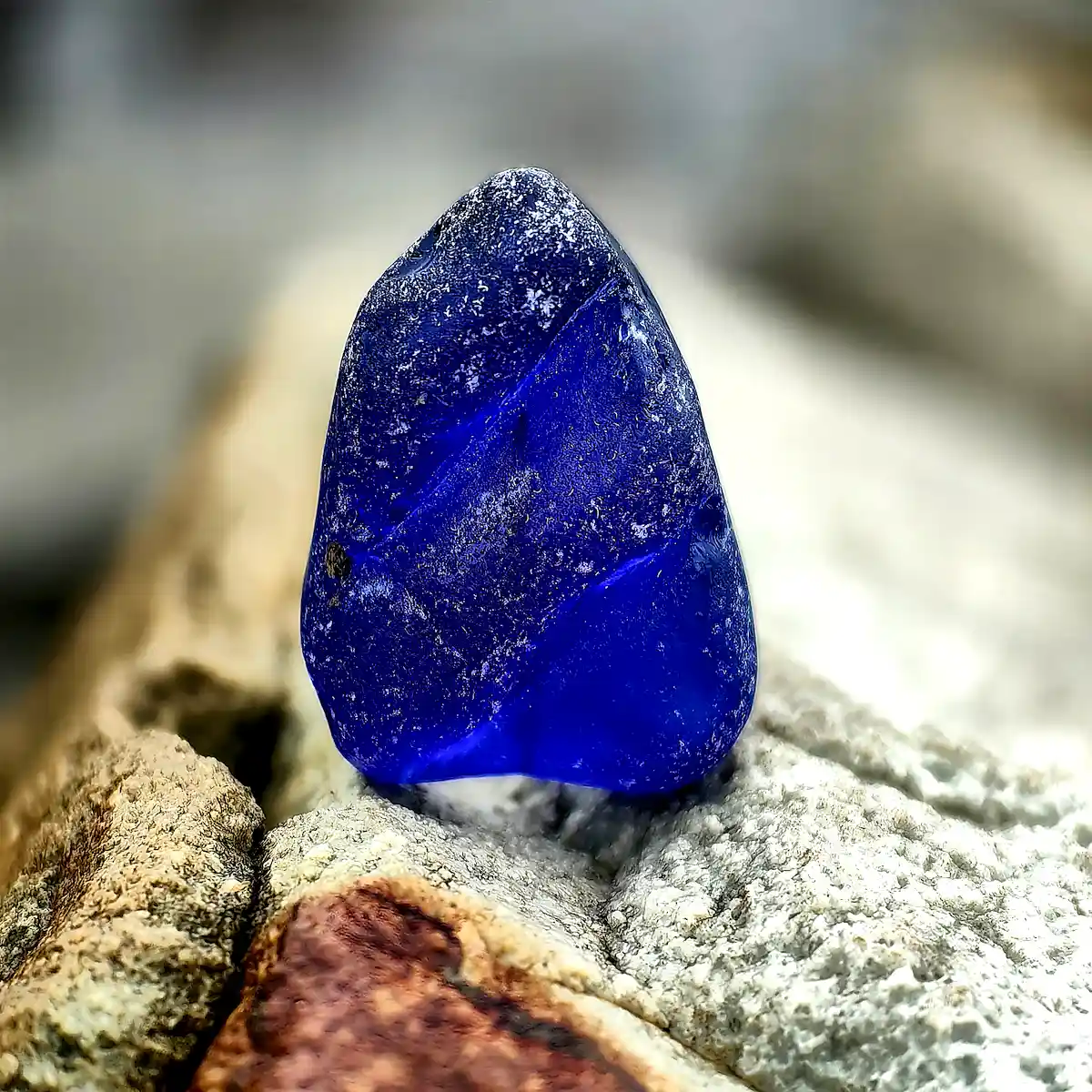
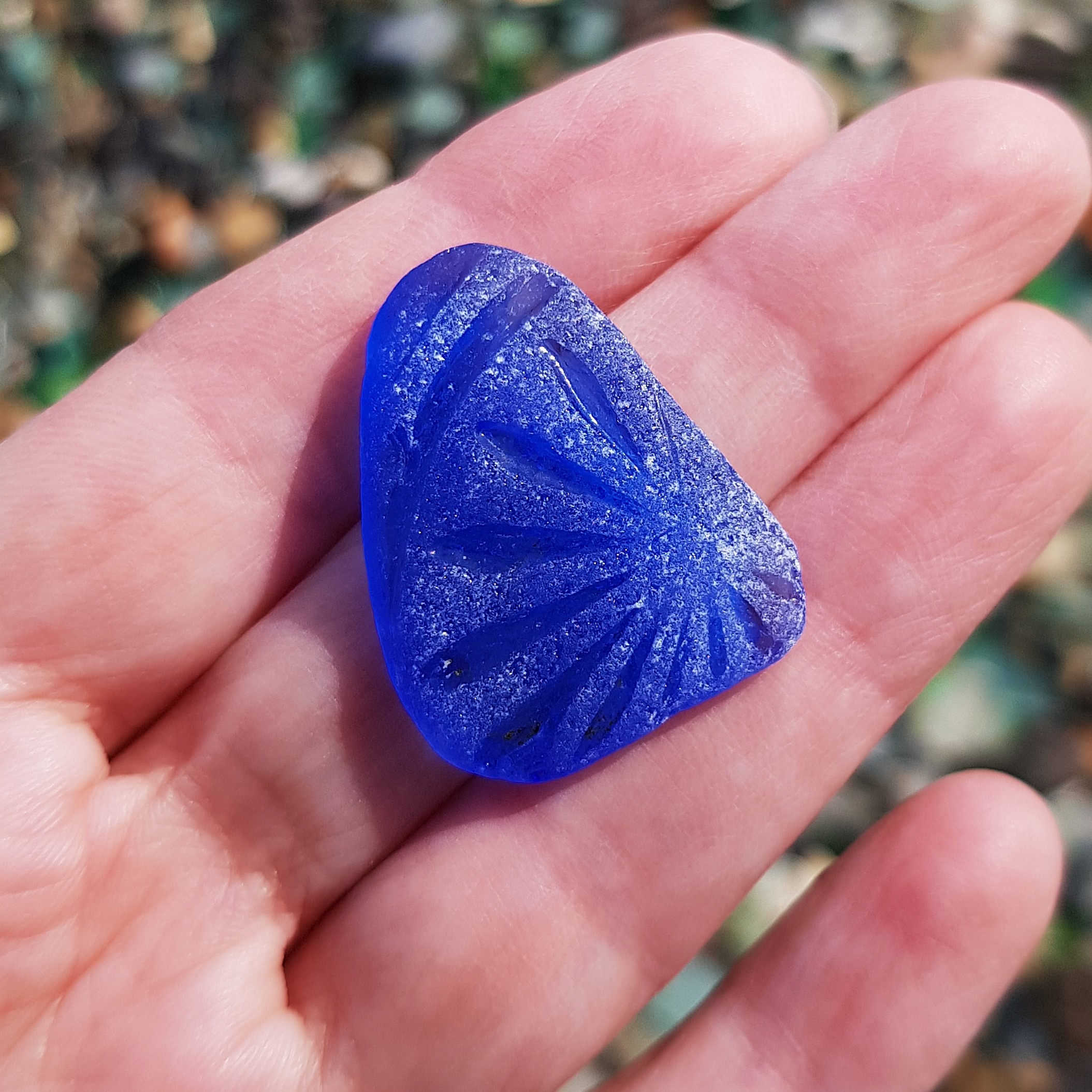
Vladivostok’s Glass Beach is world-renowned for its unique coastline, where ocean waves have transformed tons of discarded glassware into colorful gems. Among these natural treasures lie rare pieces of deep cobalt blue. For a serious beachcomber, each well-aged shard opens a fascinating historical story where mid-century industrial craftsmanship meets the raw power of the Pacific Ocean.
1.The Chemistry of Russian Cobalt Glass
To understand what a piece of Russian cobalt blue sea glass was before it encountered the waves of the Sea of Japan, we must return to the XX, and perhaps even the XIX century.
Why is Cobalt Blue Sea Glass So Vibrant?
This historic material was a temperamental, high-tech glass melted under strict industrial specifications. Its foundation was a premium sodium-calcium-silicate or high-density potassium-lead framework engineered for exceptional durability.
The secret to this fierce ultramarine brilliance is cobalt oxide (CoO). Even a fraction of a percent of this potent pigment transformed the molten batch into a deep, ink-like blue. This rigorous chemical formulation created a highly stable structure that permanently prevents the glass from fading or dulling under the assault of aggressive marine salt.
Today, researchers divide these authentic finds into four primary historical categories:
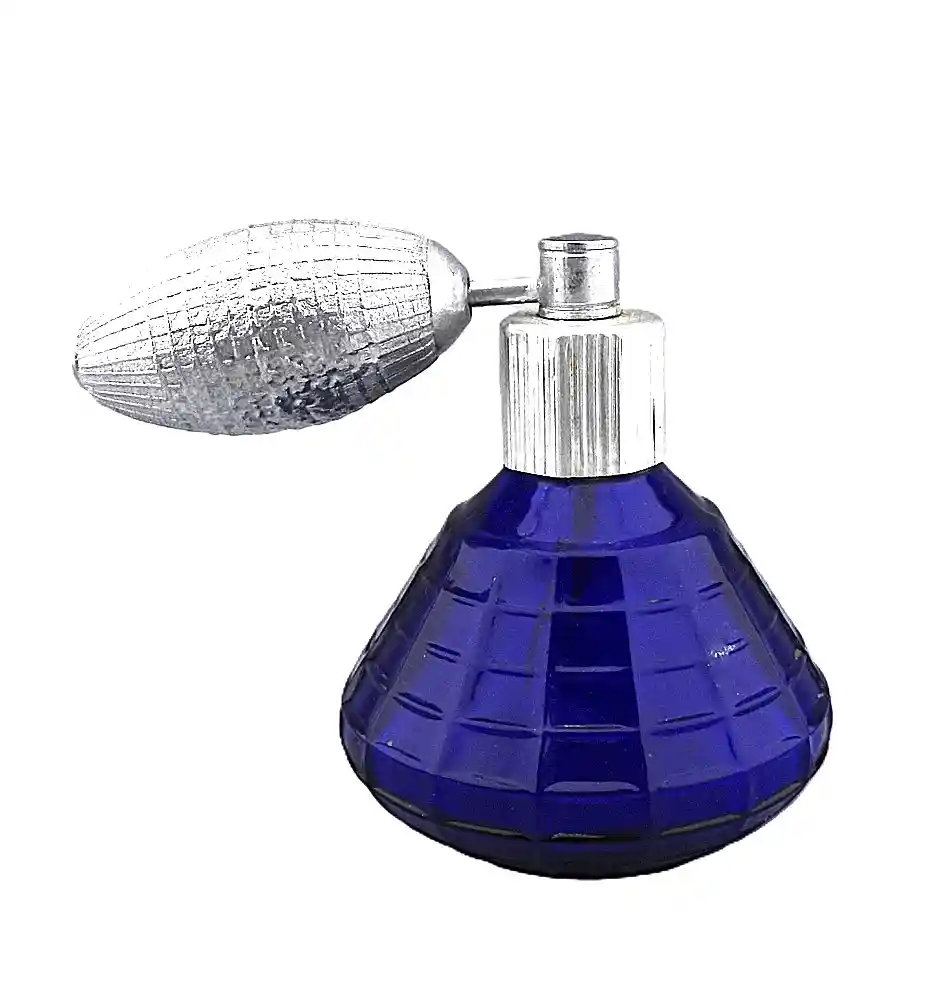
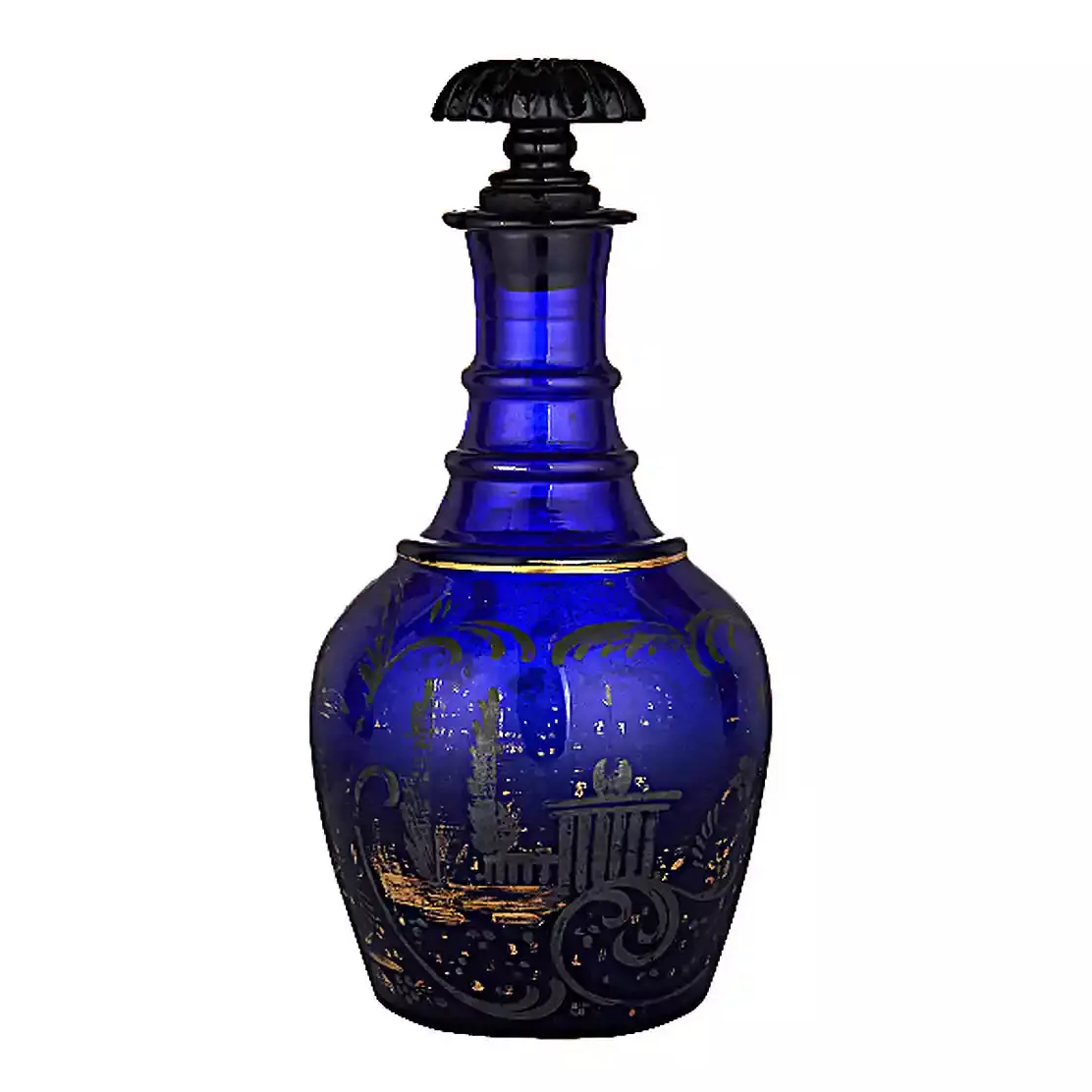
- Thin Functional Glass: Delicate fragments of vintage apothecary jars, inkwells, and perfume vials. This glass was specifically engineered to block ultraviolet light, protecting volatile medicines and premium liquids from chemical degradation. You can explore our verified selection of fragments of these apothecary vials directly in the catalog.

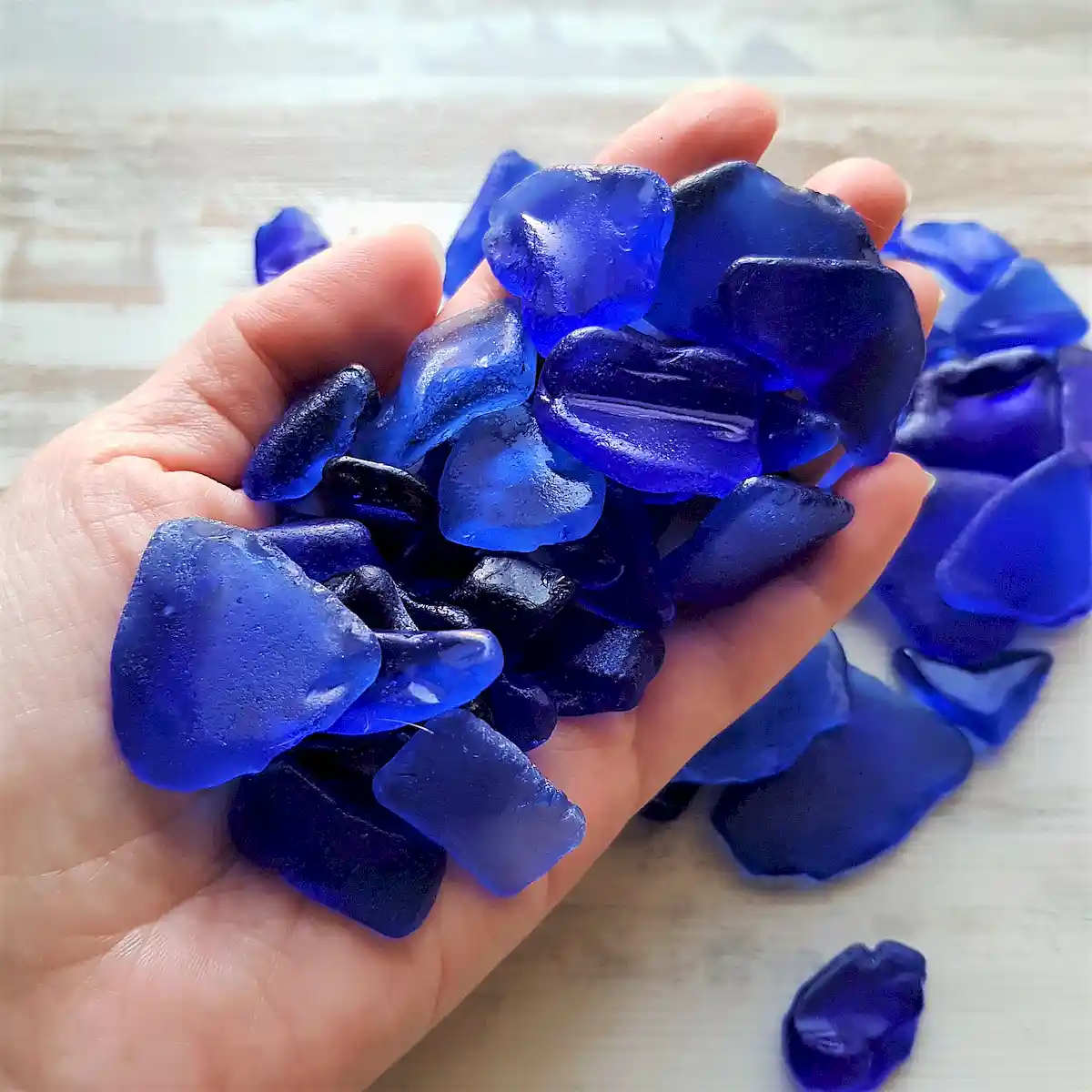
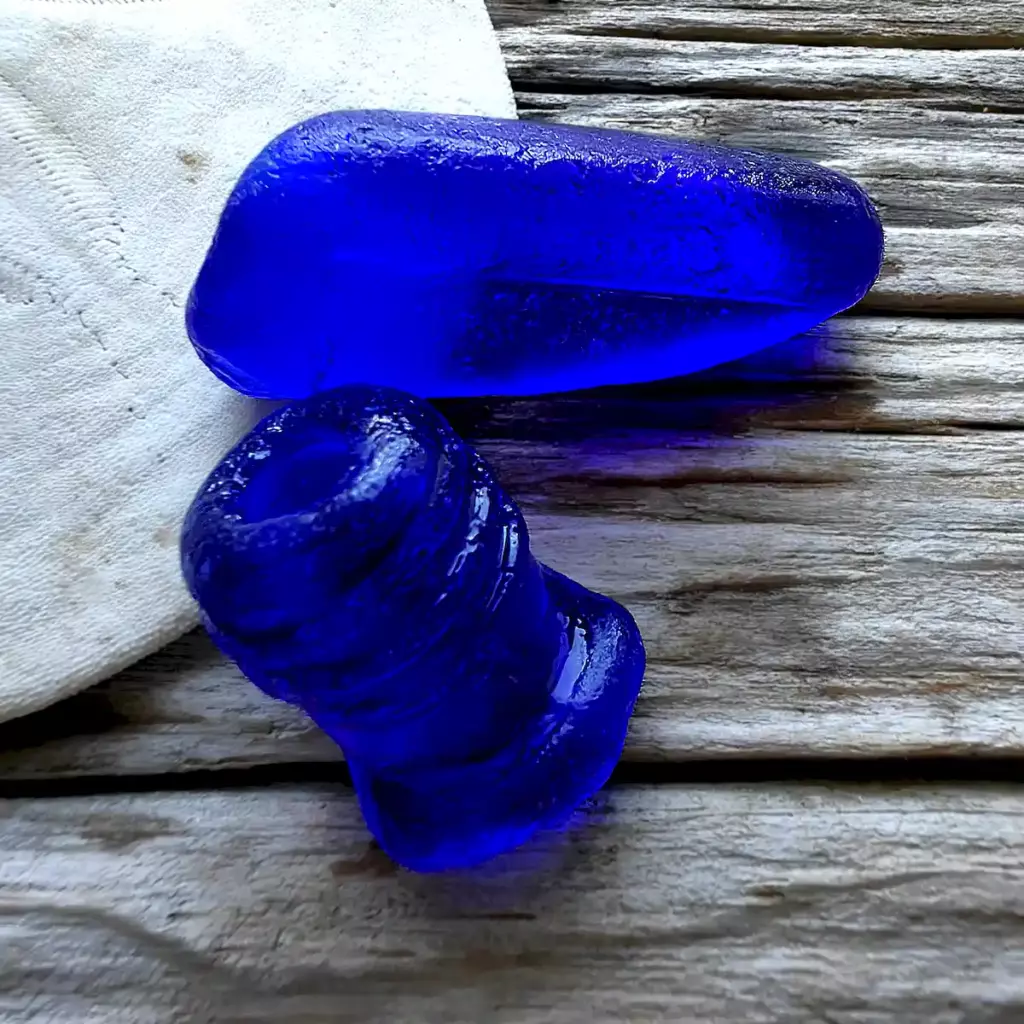
- Thick Art Glass: Massive cobalt bluesea glass pieces up to 2 cm thick – the remnants of luxury designer vases, bowls, and mid-century interior decor shaped entirely by hand.
To see how this extraordinary density looks after decades in the Sea of Japan, you can explore the unique dimensions of our Large Cobalt Blue Sea glass .
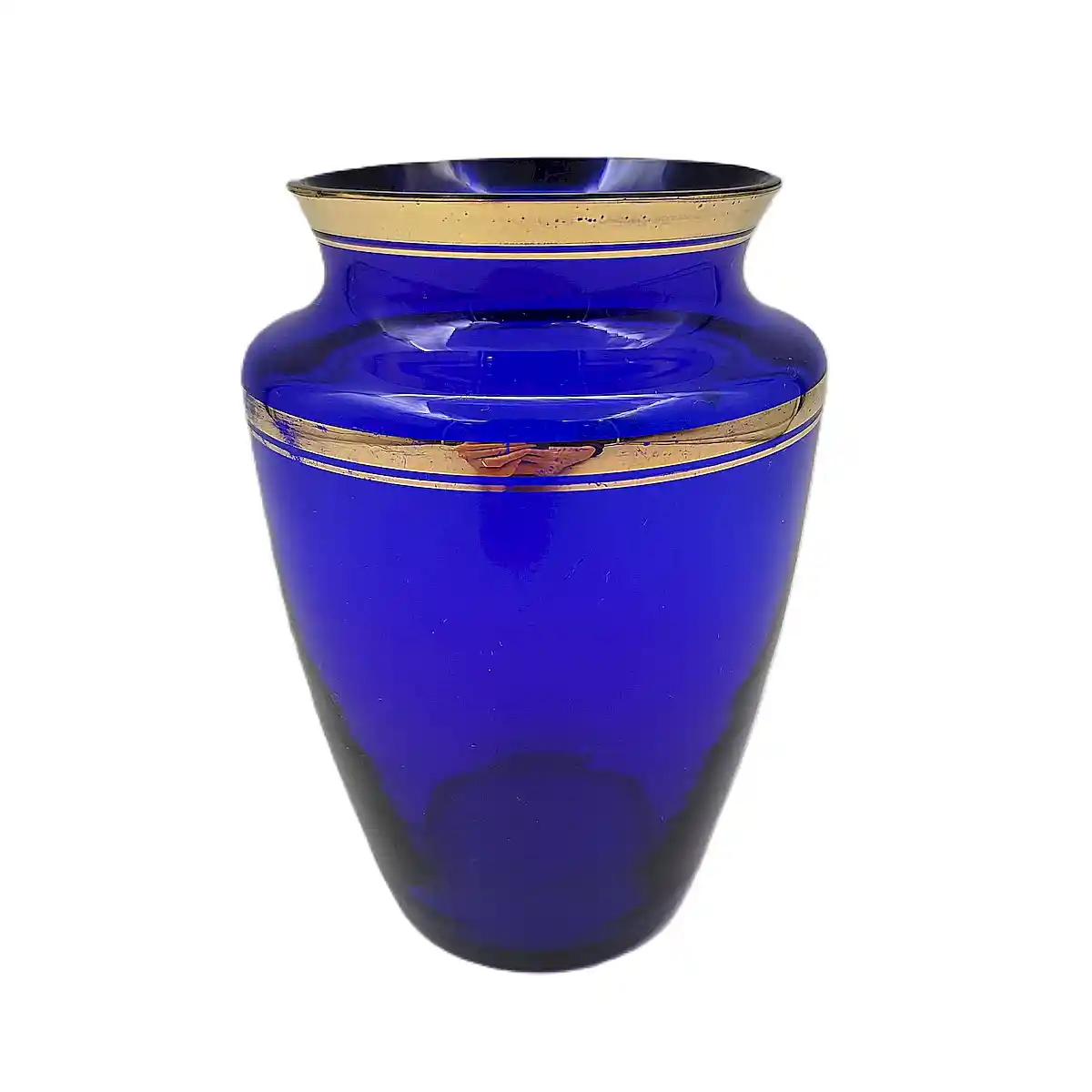

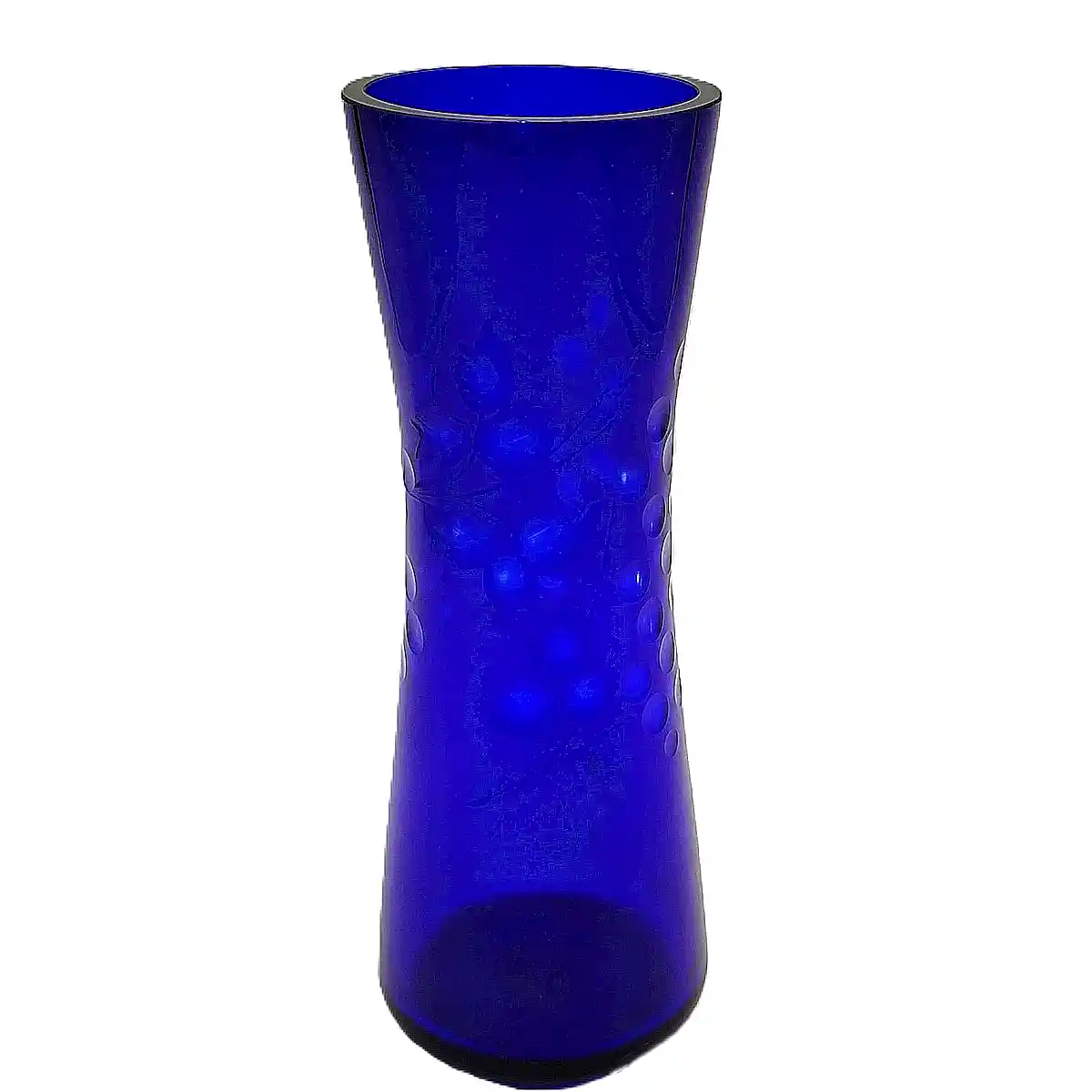
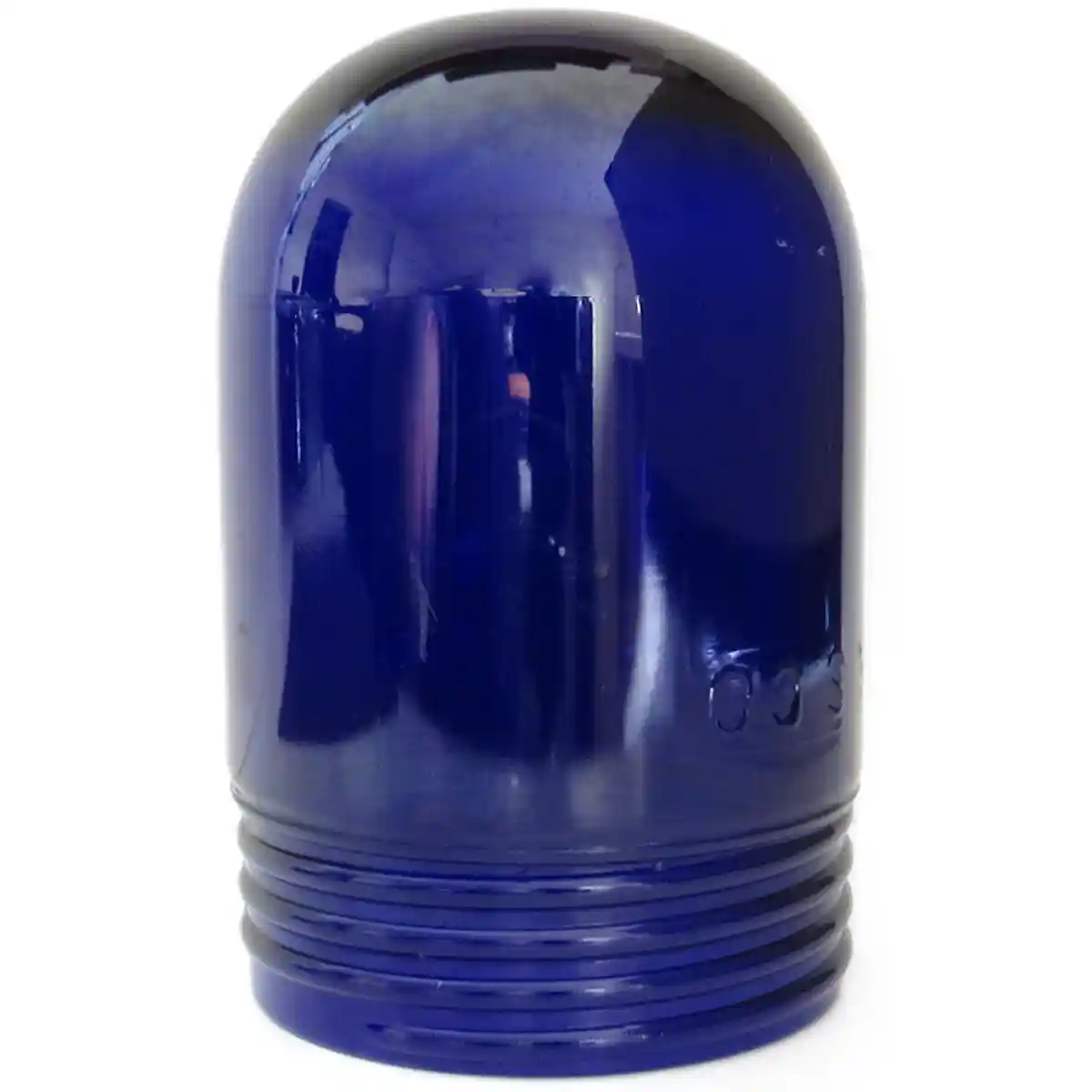
- Maritime & Naval Artifacts: Exceptional, heavy-duty fragments coming from Vintage Ship Light Covers and the thick Fresnel lenses of heavy Vintage Ship Bow Lanterns. Built to survive severe ocean storms, this maritime glass features extreme thickness and unmatched industrial durability.
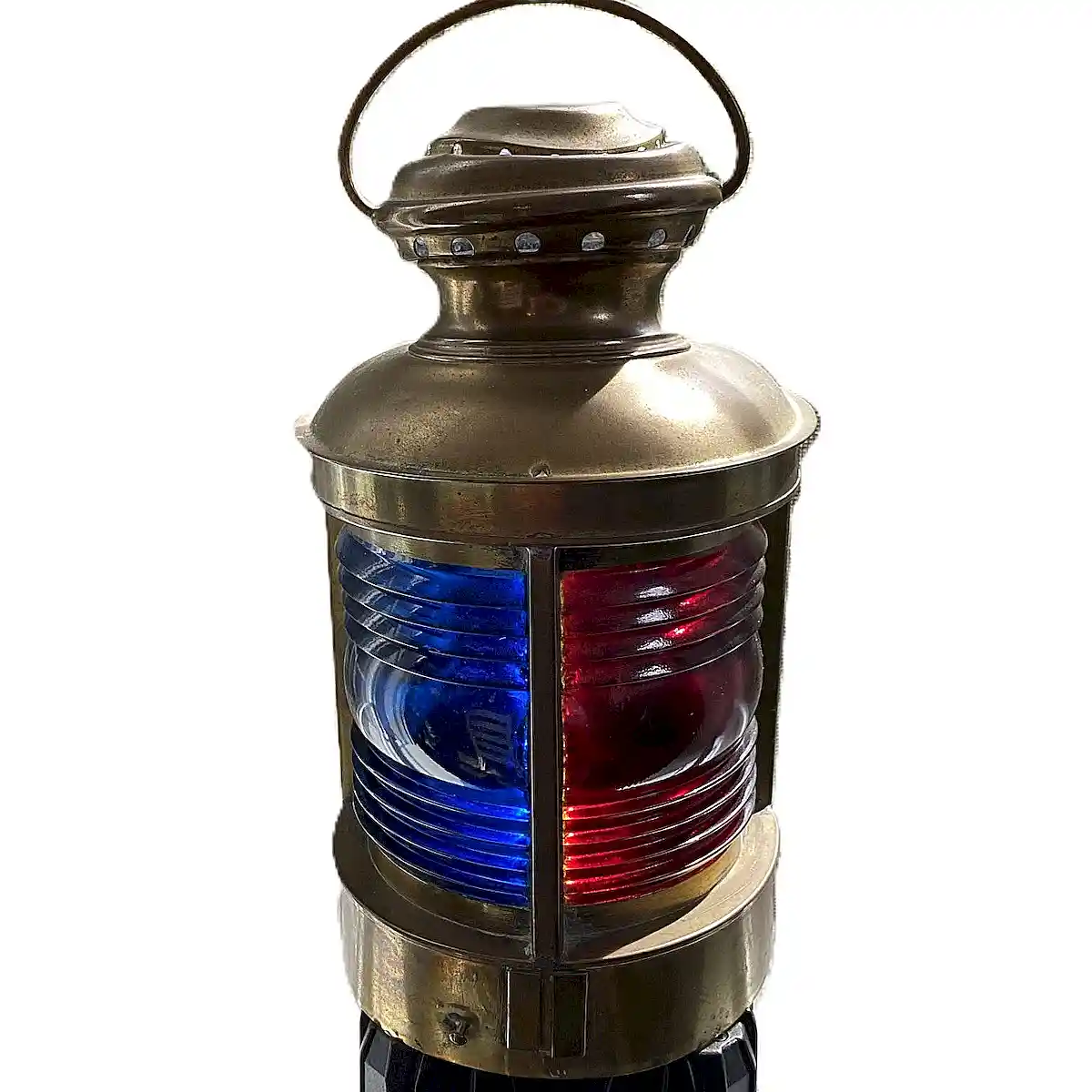
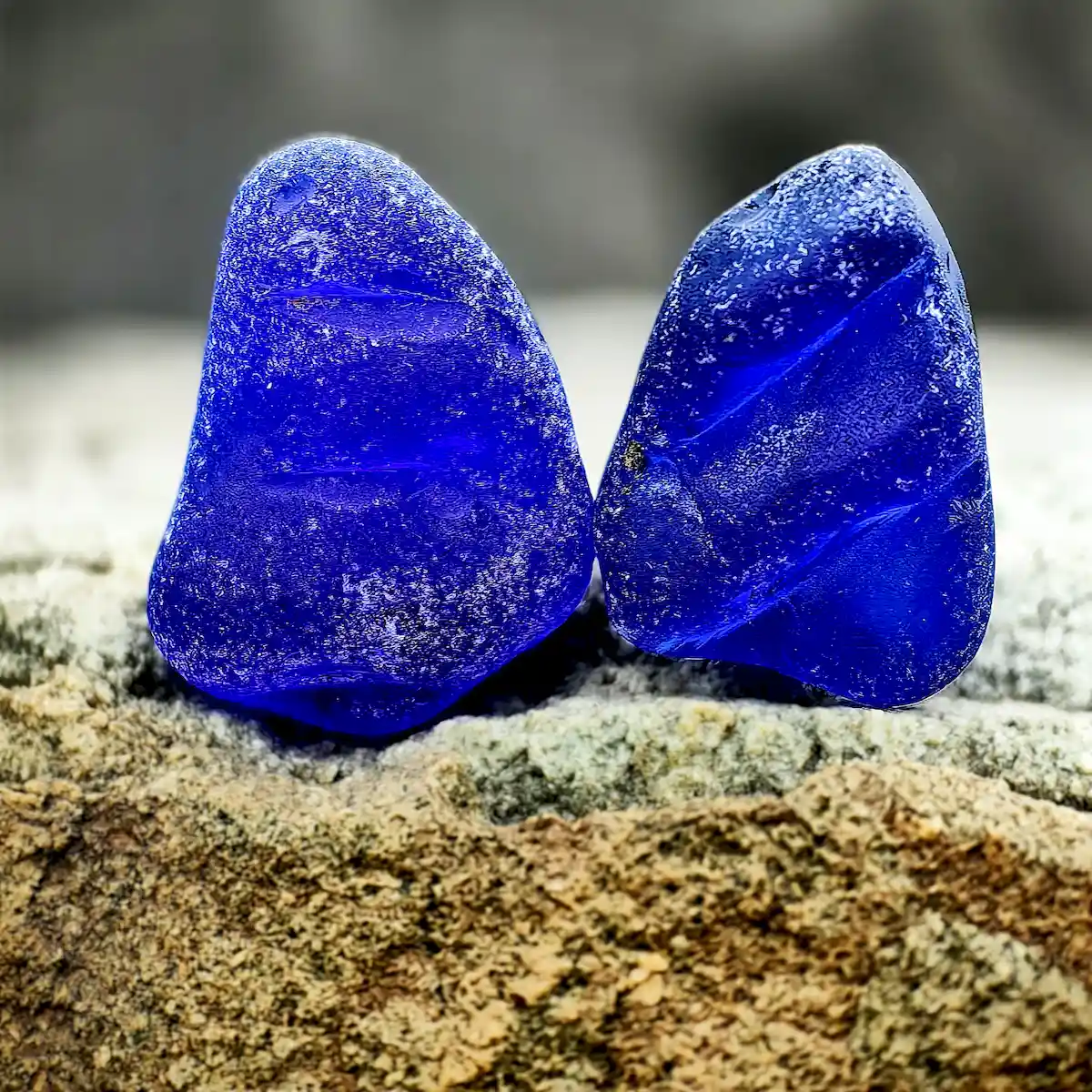
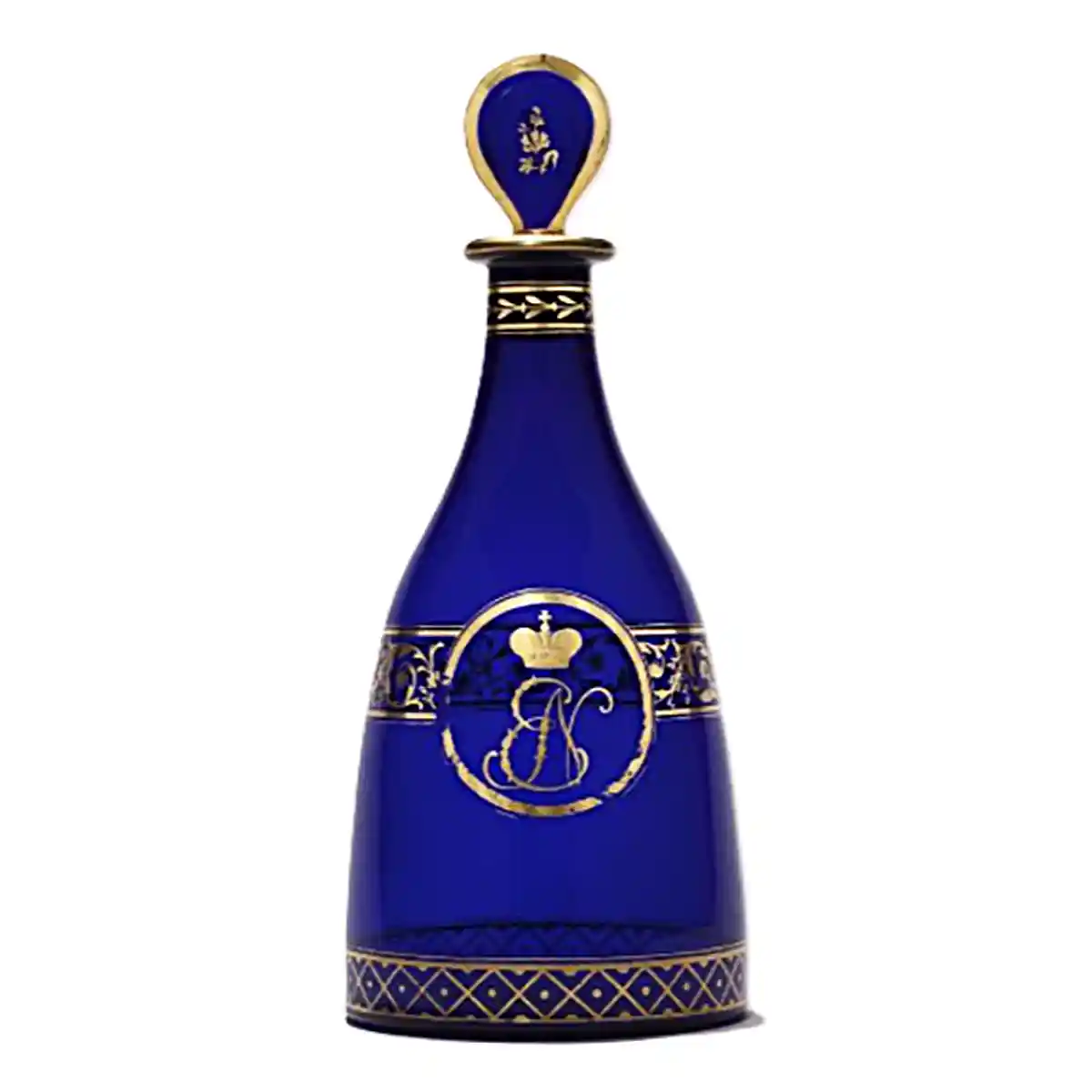
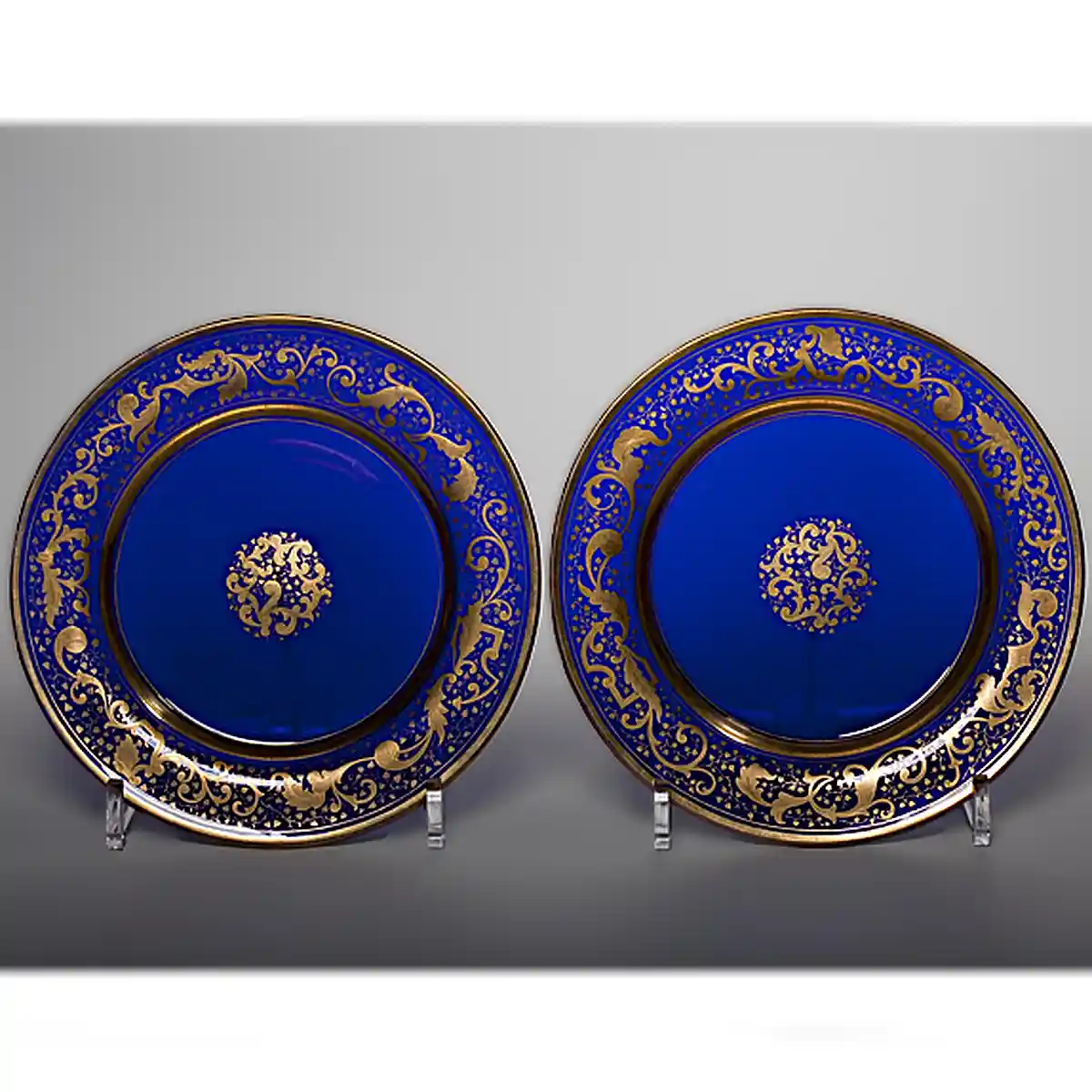
- Authentic Imperial Rarities: The rarest discoveries dating back to the 1800s. Viewed through natural light, they reveal beautiful historical flaws: “seeds” (trapped air bubbles) and “cords” (internal smoky striations) left by ancient wood-fired furnaces. When tested under a 365nm UV light, specific pre-revolutionary recipes emit a haunting, faint olive-green or ghostly pinkish-orange glow.
Chapter 2. The Anatomy of Frost on Russian Cobalt Blue Sea Glass
Once these broken objects entered the water, a long physical transformation began, driven by wave mechanics and the unique climate of Ussuri Bay.
What Makes Glass Beach Sand So Abrasive?
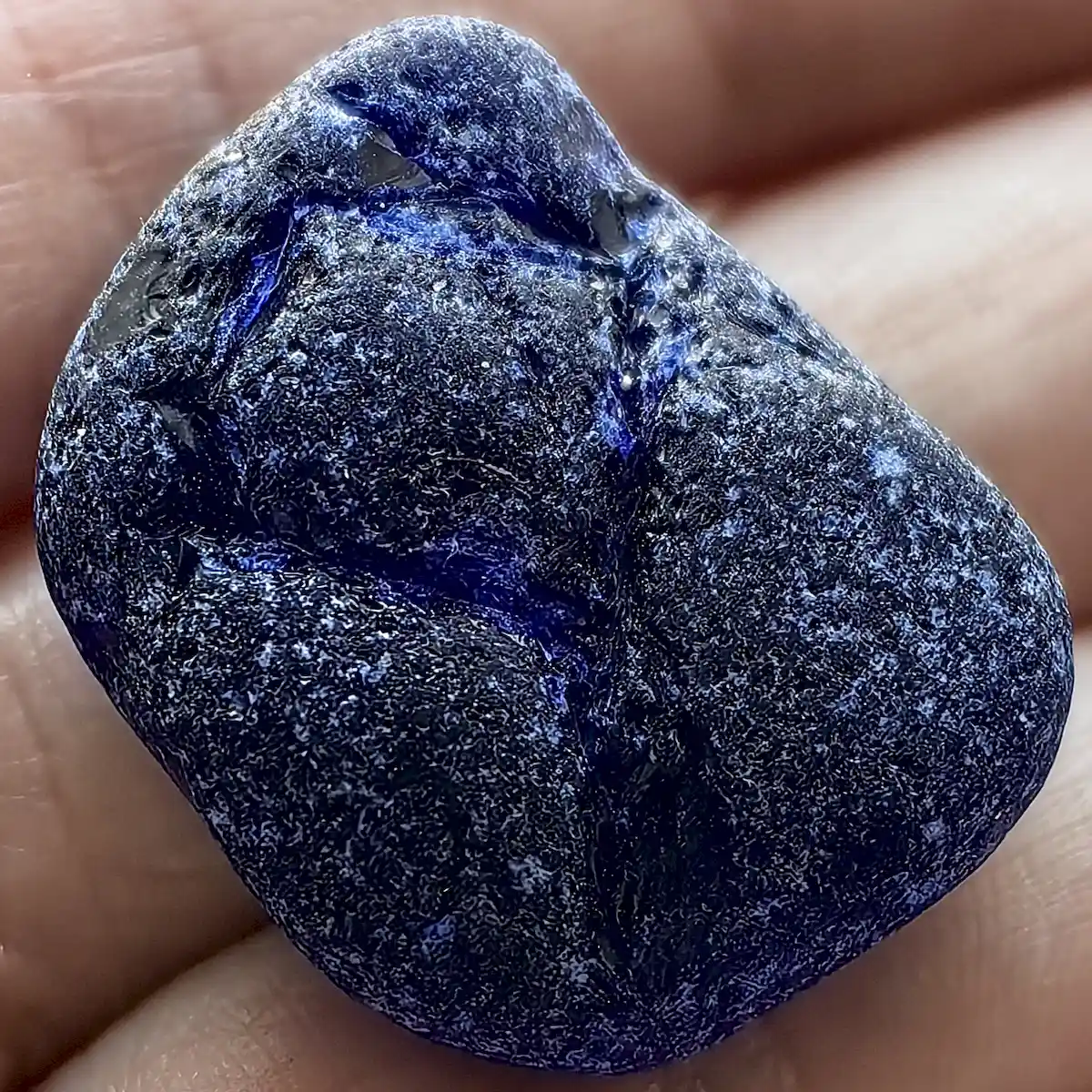
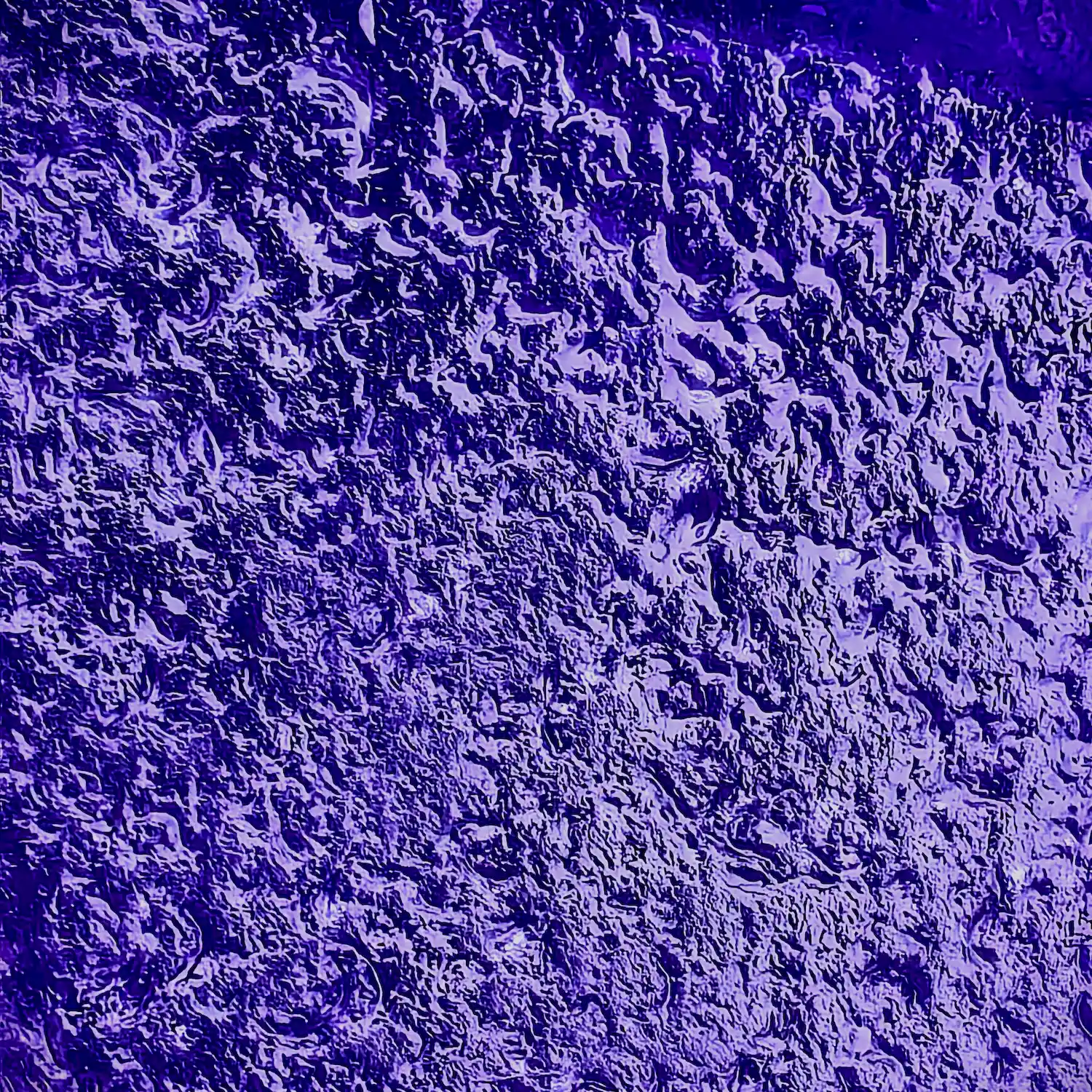
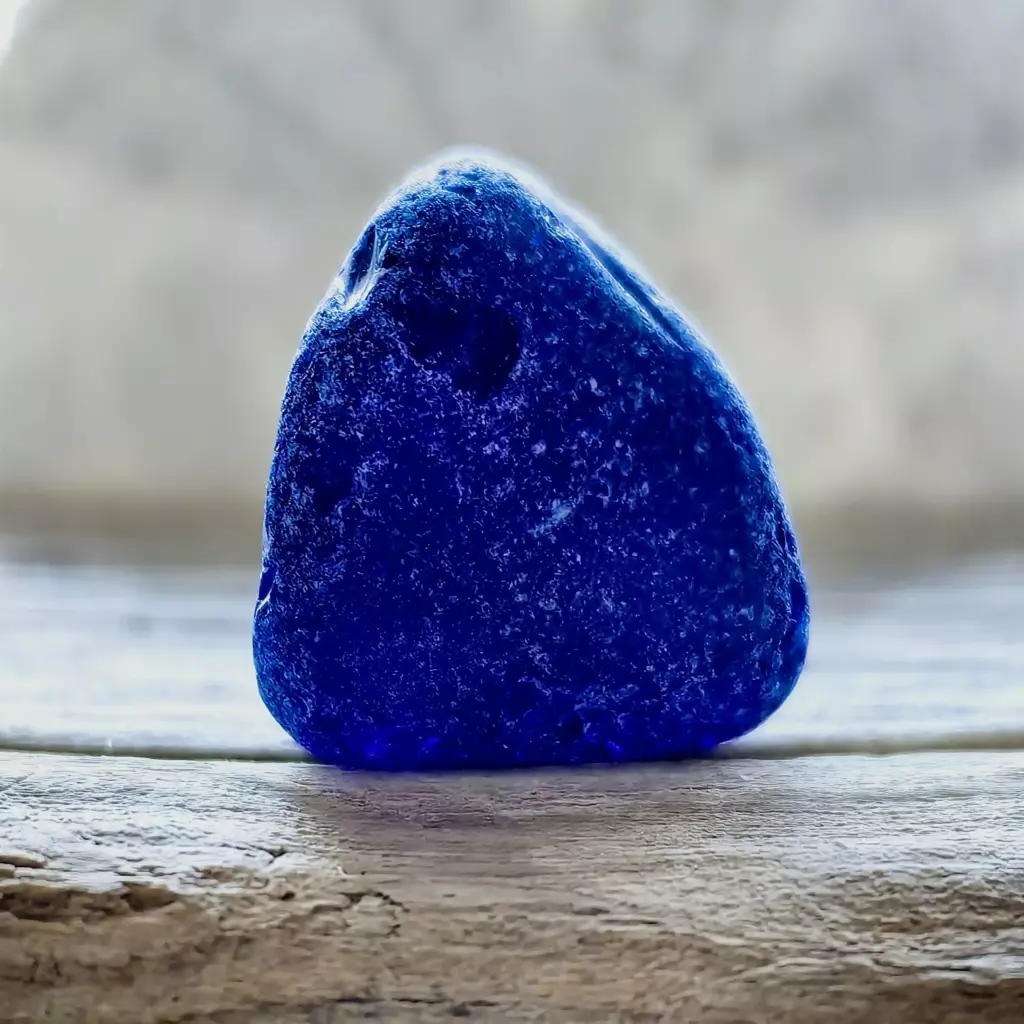
The volcanic sand of Glass Beach is a heavy, highly abrasive aggregate of crushed quartz, feldspar, and sharp volcanic rock. Unlike the mild, silky frost found on sea glass from gentle beach environments, our local cobalt blue sea glass has been relentlessly bombarded by high-energy Pacific surf. This natural, high-velocity tumbling process creates a heavy, deeply tactile finish that feels almost like velvet or suede.
(For a deep dive into the chemical leaching and ion exchange behind this hydration patina, read our comprehensive guide The Science of Surf-Tumbled Sea Glass ).

Thermal Shock – The Northern Sea Factor
Harsh sub-zero winters complete the natural aging process – a phenomenon entirely absent from warmer, tropical beach environments. Seawater trapped inside the surface channels and microscopic voids of the frost freezes and expands during low tides.
This intense ice-wedging fractures the surface layer from within. The result is a deeply textured, complex finish that clearly sets genuine Russian cobalt blue sea glass apart from glass found in warm, gentle waters.
Resistance to Symmetry: Why Heavy Blue Shards Defy Symmetrical Shapes
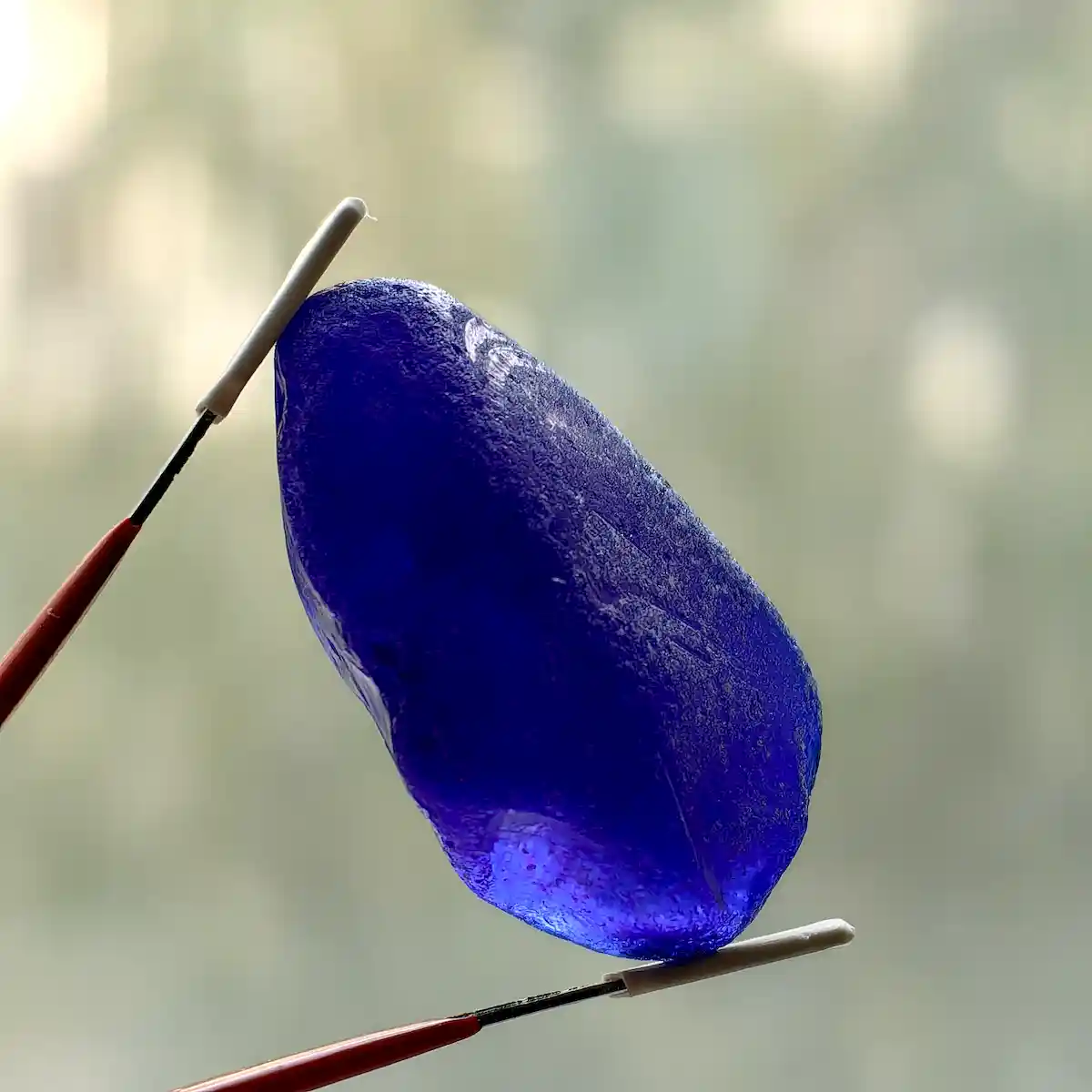
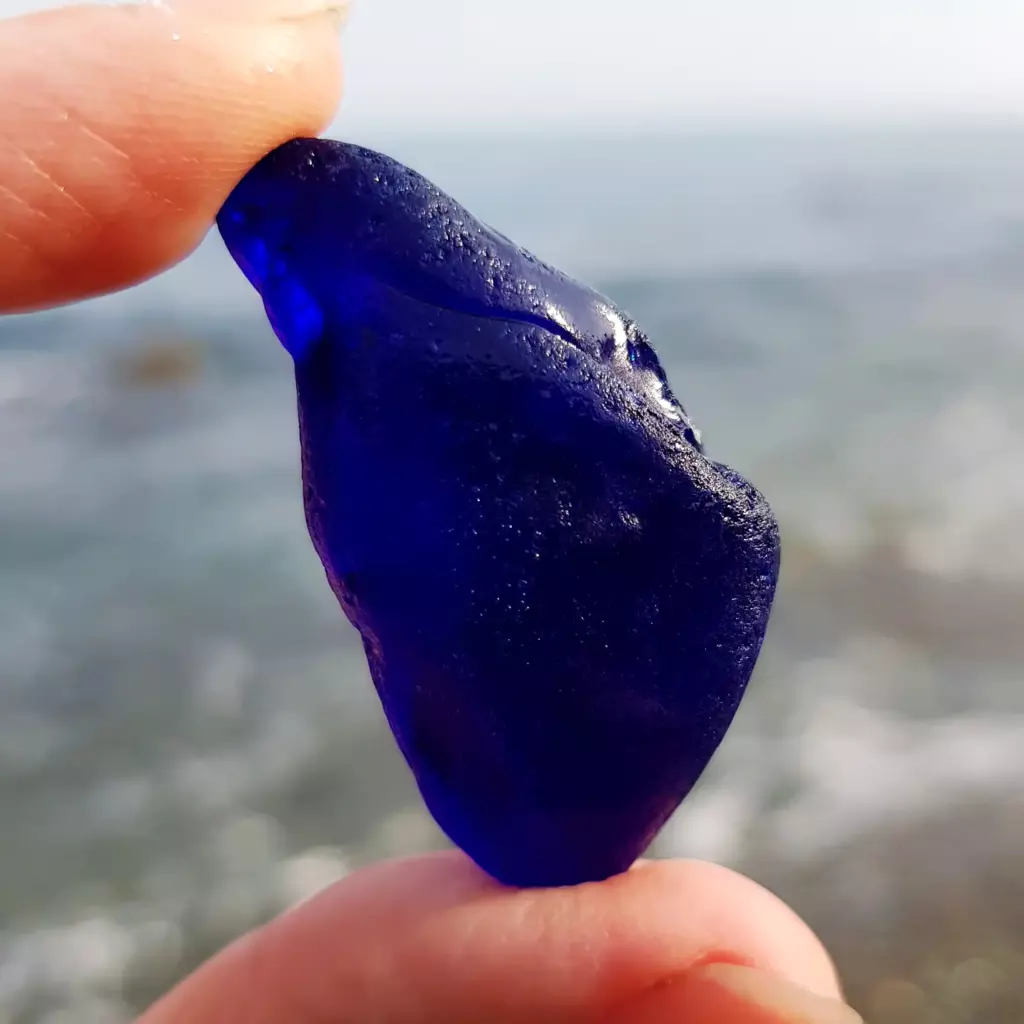
Why do exceptionally thick, 2 cm cobalt blue shards resist shaping into perfectly round, smooth gems, retaining an irregular, rugged form instead?
Due to its significant weight, a massive fragment remains relatively stationary on the seabed, receiving uneven wave action. Coarse sand and tumbling debris cannot reach into the deep, natural fissures of the original break, smoothing only the outer contours. As a result, the glass retains its monumental, asymmetrical geometry.
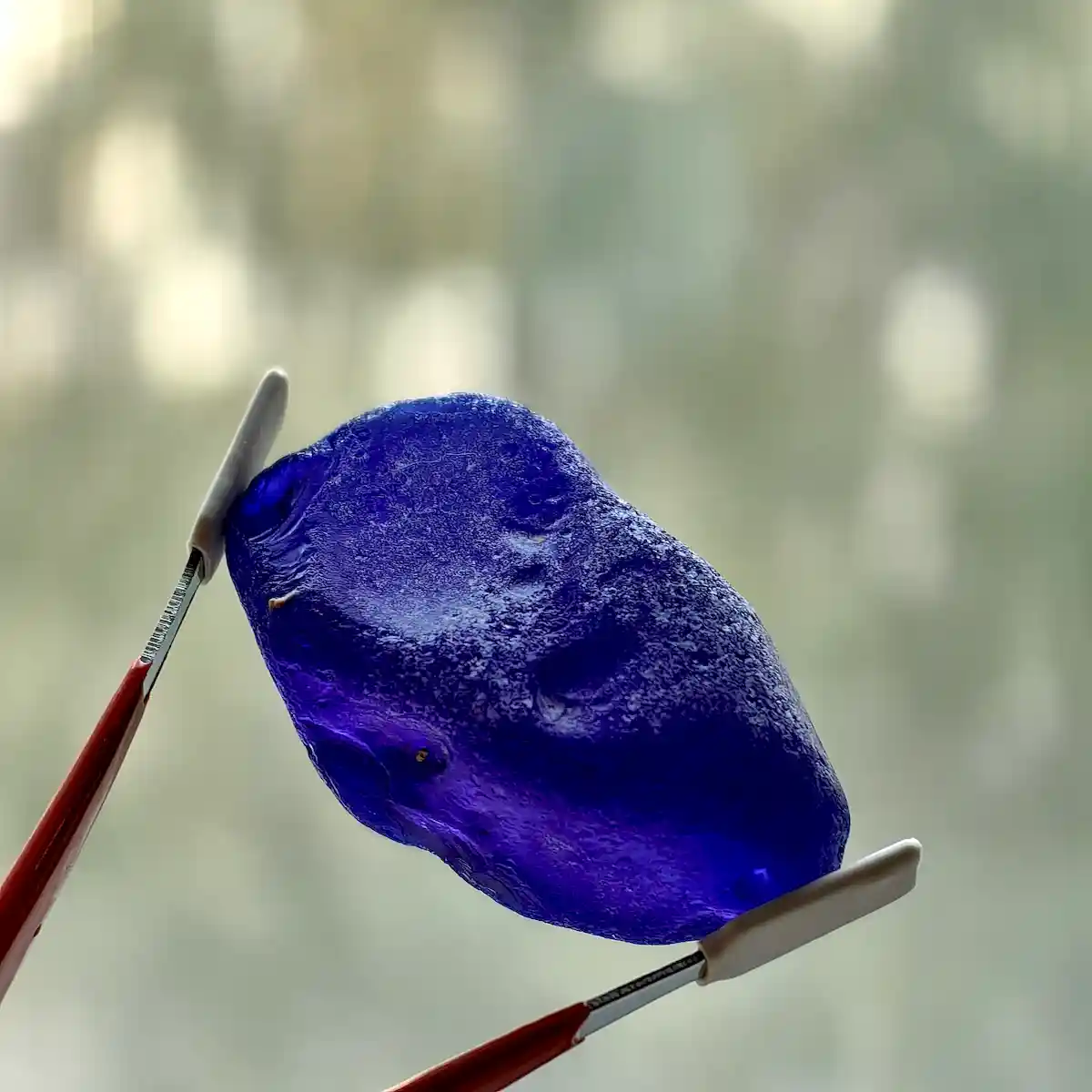
Chapter 3. Multi-Layered Cobalt and the “Golden Core”
Among all the treasures washed ashore on Glass Beach, there is one legendary variety that represents the absolute holy grail for serious collectors: multi-layered cobalt blue sea glass.
These rare, heavy fragments originally belonged to heavy-duty, pre-revolutionary naval ship lanterns or vintage lighthouse Fresnel lenses. To achieve a piercing, navigation beam that could cut through heavy Pacific fog, historic glassmakers utilized a complex multi-layered technique:
- The Internal Layer: A golden-amber core designed as a dense optical center to concentrate the light source.
- The Outer Layer: A thick, ultramarine “jacket” that acted as a pure cobalt filter.
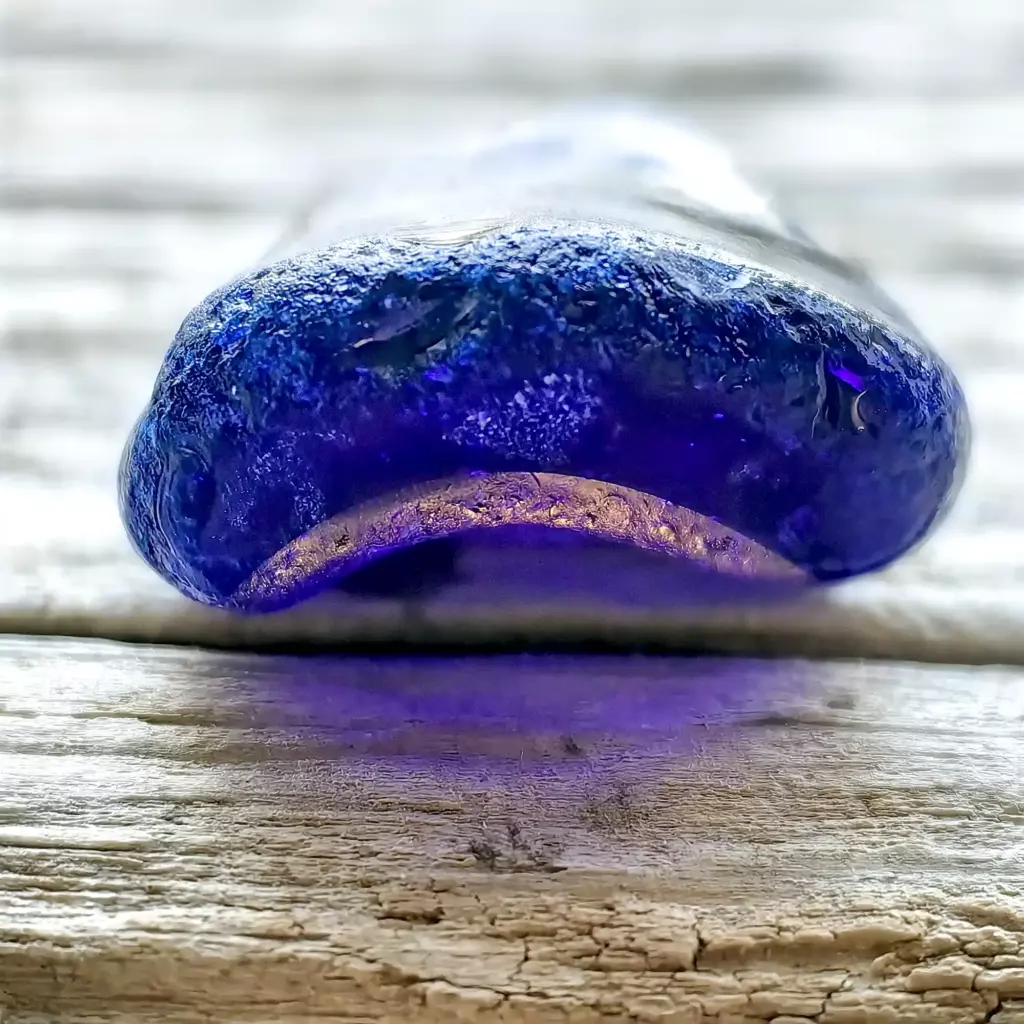
While this historic glass appears completely deep blue under normal light, decades of relentless tumbling have carved a smooth canyon across the surface of the shard, exposing the dual-layer chemistry. When held to the sun, the ocean-carved ridges reveal the flawless, hidden amber matrix glowing beneath the suede-like cobalt frost.
(Due to their extreme scarcity, these museum-quality specimens are rarely uncovered. You can check the current availability of this Multi-Layered Cobalt Blue Treasure directly in our rare artifacts section).

Conclusion: A Vanishing Treasure
Genuine surf-tumbled cobalt blue sea glass from Vladivostok is a finite monument to a closed chapter of history. It represents a precise, unrepeatable alignment of historical manufacturing, geology, and sub-zero winters.
However, time and the changing tides mean these treasures won’t last forever. As the ocean continuously tumbles the remaining glass, genuine cobalt pieces – especially the thick art fragments – are becoming harder to find.
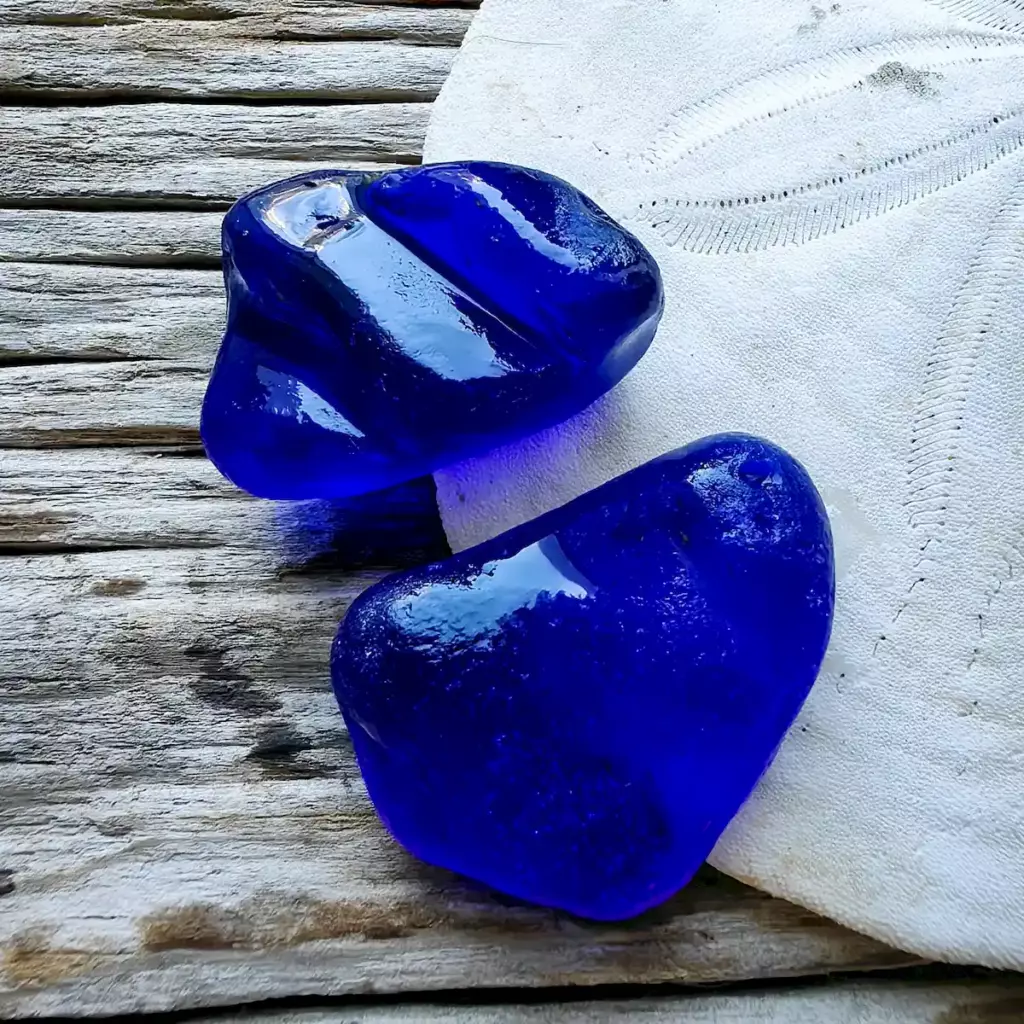
When you hold one of these deep blue treasures in your hands, you can feel the distinct texture shaped by the Sea of Japan. Every ridge and C-mark tells a story of its long journey. Owning a piece of Ussuri Bay cobalt blue sea glass is a wonderful way to keep a truly unique and authentic fragment of the Pacific coast.

About the Author
Tatiana Japanseaglass is the founder of Japan Sea Glass with over 15 years of expertise in coastal geology and glass research. Based near the storm-swept shores of Vladivostok, she uses materials science to verify and bring authentic ocean gemstones to collectors worldwide.
